
Are Protein Bars Healthy? Here’s What You Need to Know
Gisela Alvarez, Registered Dietitian, Jackson Health System
Protein bars are a quick and easy snack, but a new study shows they may not be as healthy as they seem.
Many bars are labeled “high in protein,” but that doesn’t always mean your body can use that protein well.
Researchers compared more than 1,600 protein bars and found that, although most had sufficient protein, many were low quality. Bars with milk proteins, such as whey, were best, while those with added ingredients like collagen, fiber, and sweeteners often made it harder for the body to absorb the protein, leading to lower scores.
Understanding the Role of Protein
Protein is a building block for muscles, bones, skin, and hormones. It helps repair body tissue, supports a strong immune system, and keeps you feeling full longer. Getting enough high-quality protein is especially important for kids, older adults, athletes, and people healing from illness or injury.
Whole Foods First
Whole foods are the gold standard when it comes to protein. Great sources include:
- Eggs
- Chicken and turkey
- Lean beef
- Fish, like salmon or tuna
- Greek yogurt and cottage cheese
- Tofu and tempeh (made from soybean)
- Beans, lentils, and quinoa
Build meals with a mix of protein, healthy fats, and fiber. Everyone’s protein needs vary based on age, activity level, and health. Balance is key.
Can Protein Bars Be Healthy?
They can, but not all bars are created equal. Some are little more than candy bars in disguise, loaded with sugar, processed ingredients, and unhealthy fats. Others are nutrient-packed, convenient options.
What To Look for in a Healthy Protein Bar
Protein
Choose bars with at least 10 grams of protein, ideally closer to 15 to 20 grams if you’re very active or looking to build muscle. Look for high-quality sources like whey or milk protein isolate.
Whole Food Ingredients
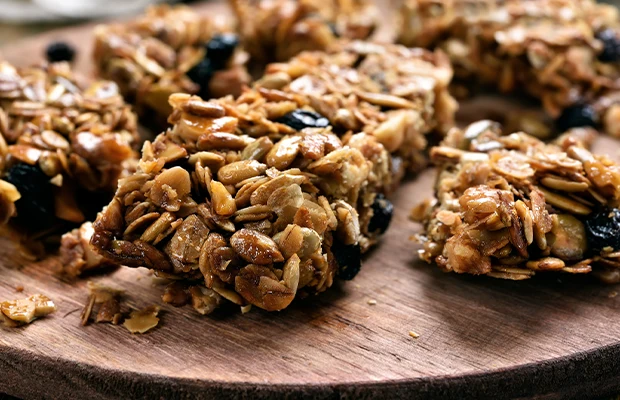
Opt for bars made with real foods like nuts, seeds, and oats. These offer added nutrients and keep you fuller longer.
Low Added Sugar
Avoid bars with high amounts of added sugar, aim for fewer than 8 grams. Better yet, choose bars sweetened with natural sugar alternatives like monk fruit.
Healthy Fats
Check the fat source. Unsaturated fats (from nuts or seeds) are good; avoid trans fats or high levels of saturated fat.
Fiber
Fiber helps with digestion and fullness. Look for at least 3 grams of fiber per bar.
Watch Out for These Ingredients
- Artificial sweeteners and preservatives
- Emulsifiers like soy lecithin
- High-fructose corn syrup or syrups ending in “-ose”
- Unhealthy oils like palm kernel oil or hydrogenated fats
The Bottom Line
Protein bars can be a helpful option when you’re short on time or need a snack on the go, but they shouldn’t replace real, whole foods. Look for bars with quality protein, fiber, and natural ingredients.
Keep added sugars and processed additives to a minimum.
If you’re unsure what works best for your body, talk to a dietitian or your doctor.