Stroke in the African-American Community: An Enemy That Can Be Defeated

By: Dr. Dileep R. Yavagal and Dr. Keith G. DeSousa
A worrisome truth is that the African-American community in the United States suffers more of an impact from stroke than any other ethnic community.
Annually, one in eight stroke victims in the United States is African American. According to the National Stroke Association, African Americans suffer strokes earlier in life, the results are more likely to lead to significant disabilities, and the stroke is twice as likely to cause death.
What accounts for these grim statistics? Unfortunately, some of the risk factors this community has to face are genetic. However, others are lifestyle choices and can be changed. High blood pressure, obesity, diabetes, and tobacco use typically increase the risk of stroke and prevalence of these risk factors is high among African Americans but something can be done about them.
High blood pressure, also known as hypertension, is “the silent killer” and is the number one risk factor for stroke. According to the American Heart Association, African Americans have the highest rates of hypertension in the world. It can cause permanent damage to blood vessels and the heart before symptoms develop. It is important to have blood pressure checked regularly by a healthcare provider starting in childhood. If you have high blood pressure, medication is available to help control it. Lifestyle changes, such as diet and exercise, can also help lower blood pressure.
Being overweight can also contribute to stroke. As with hypertension, adopting healthy lifestyle choices, such as walking 30 minutes daily, substituting vegetables for carbohydrates like pasta, and eliminating soda can lead to a substantial decrease in weight.
African Americans are more likely to have diabetes than Caucasians. Elevated blood sugar can greatly affect the small blood vessels in the brain leading to a stroke. It is important to remember that diabetes can be treated to prevent such complications. Many patients are afraid of diabetes treatment because in the past it usually meant a lifetime of needles and injections. However, newer oral medication coming on the market may provide for other options.
One risk factor that can be eliminated is to quit smoking. Stroke risk doubles with smoking but will immediately go down with cessation. Besides stroke, risk of brain aneurysms, lung cancer, and risk of a myriad of other disease decrease, as well. There are many programs and medications available than can help to quit smoking. Also, keep in mind that many of the new e-cigarettes contain harmful chemicals that can be as bad, if not even worse for the body, than regular cigarette smoking.
Even with control of risk factors, stroke paralysis can still happen. However, it can now be reversed in most patients – if they get emergency stroke surgery within six to eight hours from the beginning of symptoms. Stroke treatment to reverse stroke paralysis was revolutionized just two years ago with the approval of new devices called “stent retrievers” to remove clots from the brain.
Using this new technology doctors can go from a tiny incision in the leg through arteries all the way to the brain and remove blood clots to quickly restore blood flow. For this reason, prompt recognition of stroke symptoms and transport to a center capable of treating stroke is critical.
Jackson Memorial Hospital is part of an elite group of health care organizations focused on highly-specialized stroke care. The hospital earned both The Joint Commission’s Gold Seal of Approval® and the American Heart Association/American Stroke Association’s Heart-Check mark for Advanced Certification for Comprehensive Stroke Centers. The stroke team at Jackson Memorial is comprised of expert stroke physicians and surgeons – neurologists, neurointerventionalists, and neurosurgeons – from the University of Miami Health System, working alongside highly-skilled Jackson nurses, therapists, technicians, social workers, and case managers who specialize in stroke care. The team routinely delivers groundbreaking and innovative medical treatment for stroke patients. With these resources, the Jackson Memorial stroke team is considered a leader nationally in stroke care.
For more information on Jackson’s stroke services, visit www.JacksonStrokeAwareness.org or call 305-585-4DOC.
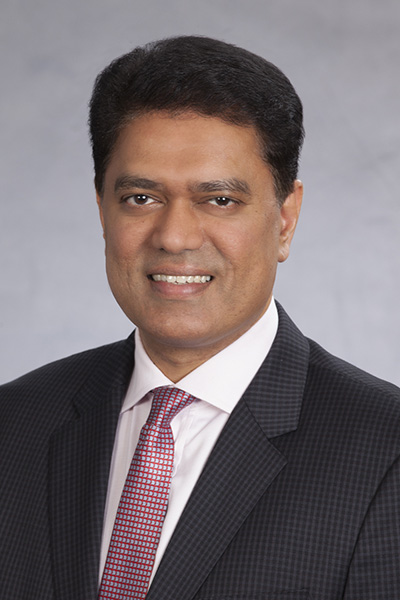
Dileep R. Yavagal, MD, MBBS, FSVIN, FAAN, FAHA, is a UHealth – University of Miami Health System professor of clinical neurology and neurosurgery. He is director of interventional neurology and co-director of endovascular neurosurgery at Jackson Memorial Hospital.
Keith G. DeSousa, MD, is a UHealth assistant professor of clinical neurology and director of stroke and interventional neurology at Jackson South Community Hospital.