
28-year-old beats diabetes, kidney failure twice with Miami Transplant Institute
By: Ruelle Champion
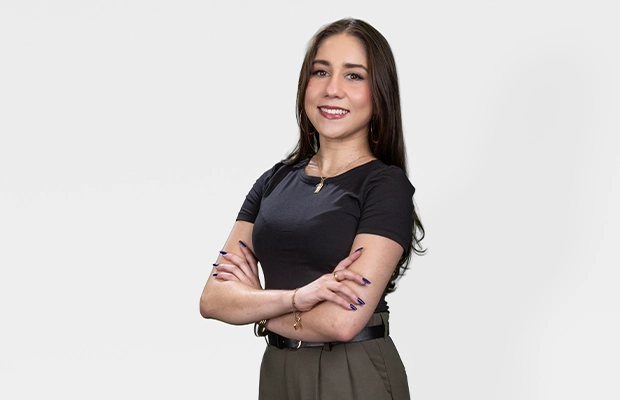
Living with type one diabetes is the only thing Pamela Carrion, 28, and her family ever knew. By the time she was 13, the impact of uncontrolled blood sugar levels left plenty of damage.
“I was born with type one diabetes. I don’t have family members with the disease,” Carrion said. “I guess I was the chosen one.”
By the time she was 17, she was in kidney failure and had already undergone eye surgery after diabetes damaged both of her eyes.
All signs pointed to Carrion needing a kidney and pancreas transplant, which connected her to Mariella Ortigosa-Goggins, MD, the medical director of the kidney/pancreas transplant program at Miami Transplant Institute (MTI) ─ an affiliation between Jackson Health System and UHealth – University of Miami Health System.
“Despite her best efforts, her blood sugar was very difficult to control,” Dr. Goggins said. “As her disease progressed, she ended up having kidney failure.”
Soon, Carrion’s kidney failure worsened, and in September 2017, she started dialysis.
“Obviously, it was heartbreaking and scary,” Carrion said. “My friends are going out and getting their lives together, and I’m here planning out dialysis.”
Life became a juggling act between maintaining diabetes and supporting kidney failure. The dialysis helped detoxify her blood, but it also caused low blood sugar levels.
“I would wake up with my legs, face, and hands super swollen,” Carrion added. “They introduce a lot of liquids in your stomach that are supposed to remove the toxins. For me, my body would just retain that liquid. It wasn’t for me.”
In January 2018, she finally got the call. A kidney and a pancreas were available for her.
“I remember it was night time and they called me at two in the morning but it went great and I had no pain,” Carrion mentioned.
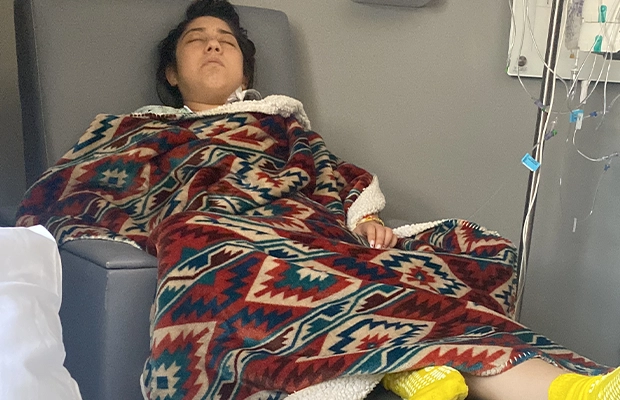
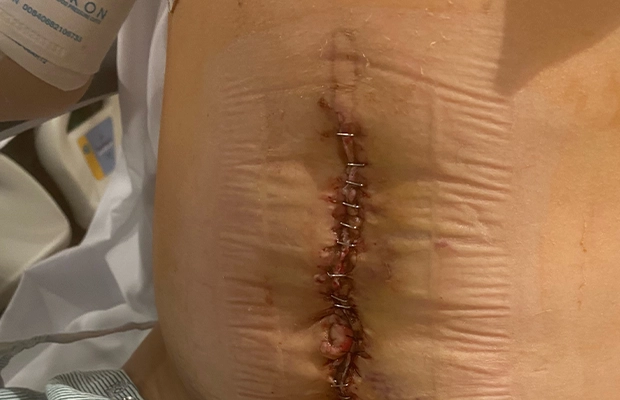
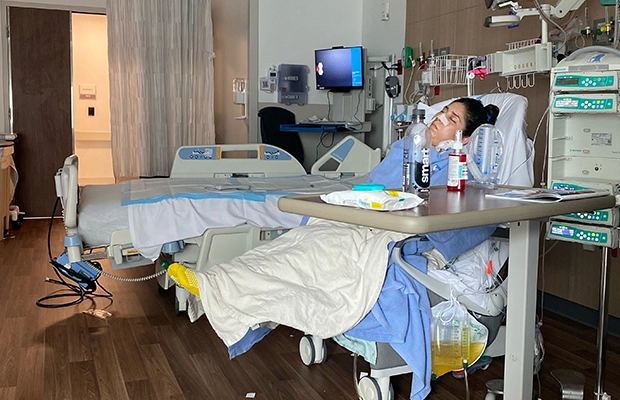
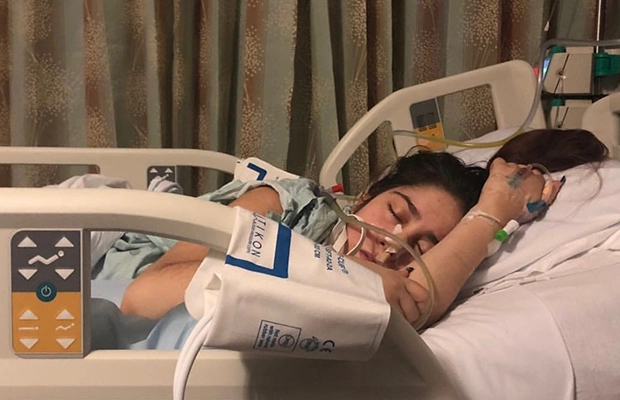
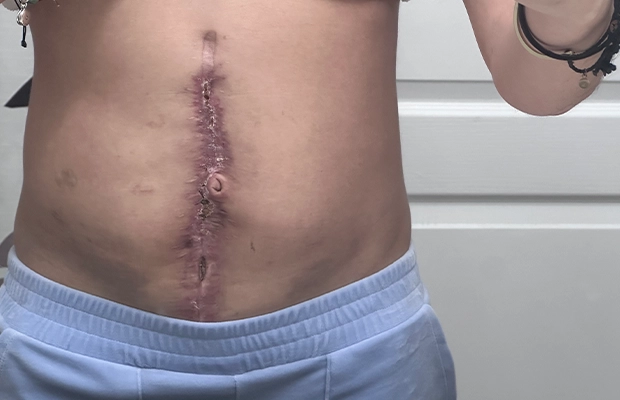
The post-surgery complications started a week later while Carrion was recovering at Jackson Memorial Hospital. She noticed the fluid leaving her drainage tubes was getting darker and thicker, and she started to experience intense pain. She was rushed back into the operating room, where her care team found her pancreas was bleeding.
“While I was in the OR, they made me say goodbye to my mom,” Carrion said. “That same night, I think I had 16 blood transfusions during the surgery and after the surgery.”
Another week passed and Carrion was discharged back home. It was the start of a new life without diabetes or kidney failure for the then 21-year-old.
“I never knew what it was like to not be diabetic,” Carrion added. “I was happy, and felt on top of the world.”
Three years later, Carrion’s kidney function started to worsen again; it was soon determined that her body was rejecting the transplanted organ. She had to restart dialysis and rejoin the transplant waitlist.
“Another heartbreak, another episode of mixed feelings,” she said. “I was in college studying medicine. I had already figured out my life.”
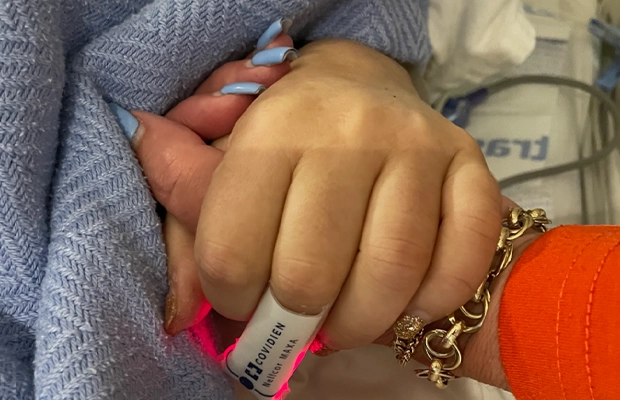
Carrion stayed on dialysis for two years. In that time, her heart enlarged due to the chest catheter, she caught COVID-19, and she rejected her pancreas.
“It was the worst period of my life,” she said. “I had depression. I got blinded by the situation that I was in. Then, I started being mad at the world.”
Despite the uncertainty of receiving a second set of organs, Carrion joined MTI’s desensitization clinic to adjust her immune system enough to avoid another rejection.
“She enrolled in the clinic to lower the number of antibodies in her system,” Dr. Ortigosa-Goggins said. “By lowering the number of antibodies, she was eligible to get a second set of organs.”
On February 6, 2024, the call came in. Mahmoud Morsi, MD, a transplant surgeon at MTI and associate professor of clinical surgery at the University of Miami Miller School of Medicine, gave Carrion a new kidney and pancreas. It took two weeks of recovery in the ICU to get her home.
“It’s not a simple or common procedure,” added Dr. Ortigosa-Goggins. “But she was very lucky to get these organs and do as well as she has done.”
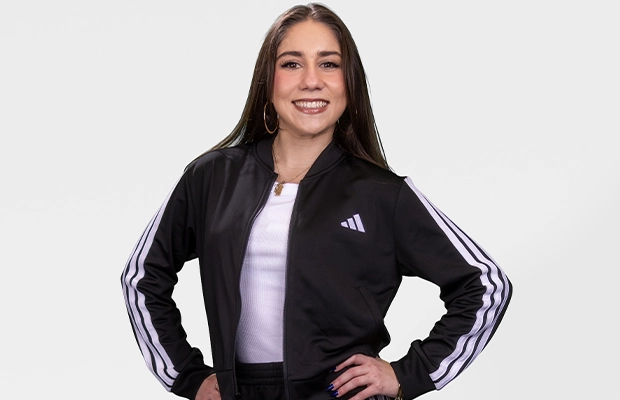
More than a year after her second transplant, Carrion moved out of her family home and is back in control of her health. Going to the gym, learning how to cook, and taking care of her pets are just a few ways she fills her days with joy and gratitude.
“It’s not about focusing on what you don’t have,” Carrion said. “Try to replace your losses with wins instead.”

Mariella Ortigosa-Goggins, MD
Internal Medicine, Nephrology
Miami Transplant Institute
1801 NW 9th Avenue Miami, Florida 33136