
A Small Protein with Big Potential for Brain Health and Memory
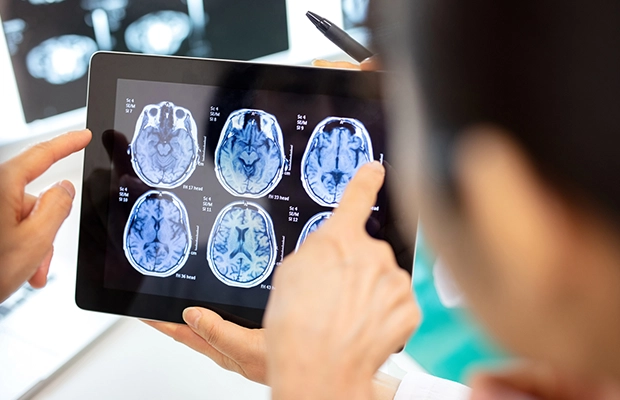
As we get older, it can feel harder to learn and remember things. A part of the brain called the hippocampus helps with memory. Over time, it may not work as well. Now, new research may help us understand why.
Research Findings
Scientists found a protein called FTL1 that may play a big role in brain aging. In studies with mice, older animals had more of this protein. They also had fewer connections between brain cells and did worse on memory tests.
To learn more, researchers increased FTL1 in young mice. The results showed their brains started to act older. Their brain cells had fewer branches, which are needed to share information.
Then came the most hopeful finding. When scientists lowered FTL1 in older mice, the brain began to recover. Connections between brain cells improved and their memory got better.
The study also showed that FTL1 affects how brain cells use energy. When energy levels dropped, brain function suffered. But when researchers boosted energy in the cells, they helped protect the brain.
“This research is exciting because it may help treat the aging brain and improve the brain’s ability to heal and adapt after trauma or stroke in patients of all ages,” said Dr. Heather McCrea, director of pediatric neurosurgery at Holtz Children’s Hospital.
What does this mean for people? This research is still in early stages and hasn’t moved into human testing, but it gives scientists a new target to study. In the future, treatments that lower FTL1 or support brain energy may help protect memory as we age.
Ways to Boost Your Memory as You Get Older
- Move your body every day
Walk, play outside, or dance to keep your body and brain active. - Use your brain
Read books, do puzzles, or try something new to keep your mind strong. - Interact with people
Spend time talking and being with friends and family. - Stay organized
Write things down, keep items in the same place, and focus on one thing at a time. - Get good sleep
Go to bed on time and try to sleep seven to nine hours each night. - Eat healthy foods
Eat fruits, vegetables, and healthy proteins, and drink plenty of water. - Take care of your health
Follow your doctor’s advice and take medicine if needed.
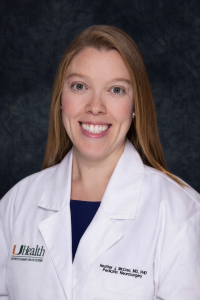
Heather McCrea, MD
Neurological Surgery, Pediatrics
Holtz Children’s Hospital
1611 NW 12th Avenue Central Tower, Suite 150, Miami, Florida 33136