
After Hurricane Melissa: How We Can Help and Stay Prepared
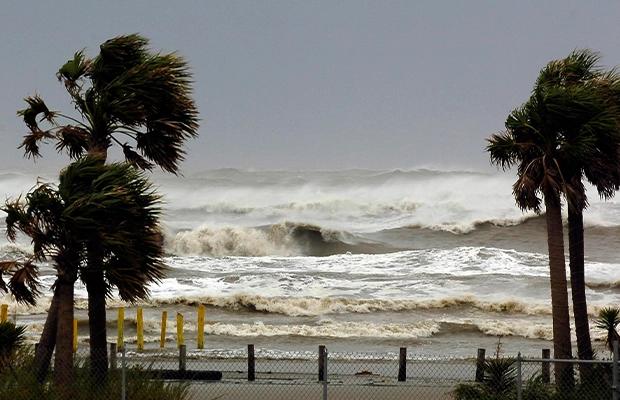
After a hurricane, the danger doesn’t end when the skies clear. Flooding, contamination, and emotional strain can linger long after the storm has moved on — making recovery a gradual process that requires care, patience, and community support.
Whether you were directly in the path of Hurricane Melissa or are helping a loved one rebuild, here are ways to stay safe, find support, and care for your mental and physical health after a hurricane.
1. Take It One Step at a Time
In the first few days after a storm, it’s normal to feel exhausted, anxious, or even numb. Recovery doesn’t happen all at once — start small.
- Focus on immediate needs. Make sure you and your loved ones have safe shelter, clean water, and access to food and medications
- Avoid unsafe areas. Don’t enter damaged buildings until officials say it’s safe, and never walk or drive through floodwaters
- Document damage. Take photos for insurance claims before beginning cleanup.
Even when the power is out or the roads are blocked, try to remind yourself that each small action counts toward rebuilding your sense of normalcy.
2. Protect Your Health
After a hurricane, new risks often appear — not just from debris, but from contaminated water, mold, and exhaustion.
- Avoid standing water. It can contain harmful bacteria, chemicals, or electrical hazards.
- Use protective gear during cleanup, including gloves, boots, and masks.
- Watch for mold in damp areas, which can cause breathing problems or worsen allergies.
- Stay hydrated and rest. The stress of cleanup can take a toll on your immune system.
If you start feeling sick — fever, cough, rashes, or stomach issues — seek medical help immediately.
3. Find Shelter and Support
If you need a place to stay or resources to rebuild, organizations like the American Red Cross can help.
Relief groups provide emergency shelters, food, and relief supplies in affected areas — and offer ways for others to get involved.
Many community centers and faith-based organizations also provide food, clothing, and cleanup supplies — check local news or official emergency channels for updated lists.
Even small gestures — checking in on evacuees, sharing verified information online, or helping collect hygiene kits through local drives — go a long way toward supporting recovery.
4. Care for Your Mind and Heart
Hurricanes can shake more than just buildings — they can deeply affect our sense of security. It’s completely normal to feel anxious, sad, or overwhelmed in the weeks that follow.
- Talk about it. Share your feelings with friends, family, or neighbors going through similar experiences.
- Limit constant media exposure. Seeing repeated images of destruction can heighten anxiety.
- Stick to simple routines. Eat regular meals, rest when you can, and spend time with people who make you feel grounded.
- Reach out for help if you’re struggling. The Disaster Distress Helpline (1-800-985-5990 or text TalkWithUs to 66746) offers free, confidential support 24/7.
For parents, remember that children often mirror adult emotions. Let them ask questions, reassure them that they’re safe, and include them in small recovery tasks to help restore a sense of control.
5. Turning Survival into Strength
Every storm leaves a mark — but it also reveals resilience. Communities come together, neighbors lend hands, and strangers become friends. Healing takes time, but it also brings growth.
Start by focusing on what you can control: reconnecting with loved ones, rebuilding one room at a time, and finding moments of gratitude.
Disasters may test us, but they also remind us of our capacity to adapt, to help, and to hope.