
Allergy Season Is Here: What You Need to Know
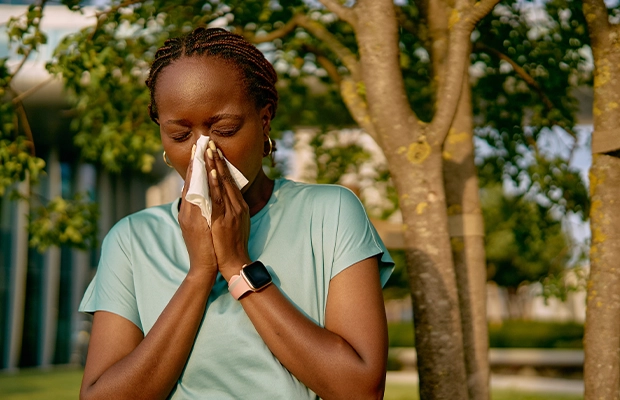
As we head into peak allergy season, many people are dealing with the all-too-familiar symptoms of runny nose, itchy eyes, persistent coughing, and frequent sneezing. While seasonal allergies can be frustrating, understanding what triggers them and how to manage those triggers can make a big difference in your day-to-day comfort.
What Causes Seasonal Allergies
Springtime allergies are driven by pollen. Organizations like the American Academy of Allergy, Asthma, and Immunology monitor pollen levels across the United States through a network of counting stations, helping people stay informed about local conditions. Common tree pollens known to trigger allergic reactions include birch, cedar, cottonwood, maple, elm, oak, and walnut.
Simple Ways to Lower Your Exposure
While avoiding pollen entirely might sound like the best solution, it’s not always realistic. However, there are several easy ways to reduce your exposure. Wearing long-sleeved clothing when outdoors can help limit how much pollen comes into contact with your skin. Keeping your home and car windows closed, even on beautiful days, can also prevent pollen from entering your personal spaces.
Managing Symptoms with Medication
In addition to being more mindful of your environment, over-the-counter medications can be an effective way to manage symptoms. Antihistamines, decongestants, and nasal sprays are commonly used to help reduce inflammation and relieve discomfort. It’s important to follow recommended dosages and choose products that help with your specific symptoms.
When to See a Doctor
If your allergies don’t go away or heavily impact your daily life, talk to your doctor about next steps. They can help identify your triggers and recommend more targeted treatments, which may include prescription medications or allergy testing.
Allergies don’t have to be uncomfortable all the time. With a combination of awareness, prevention tricks, and the right treatment, you can manage your symptoms and enjoy the season.