
Animal Protein Consumption is on the Rise — Here’s How to Balance It Right
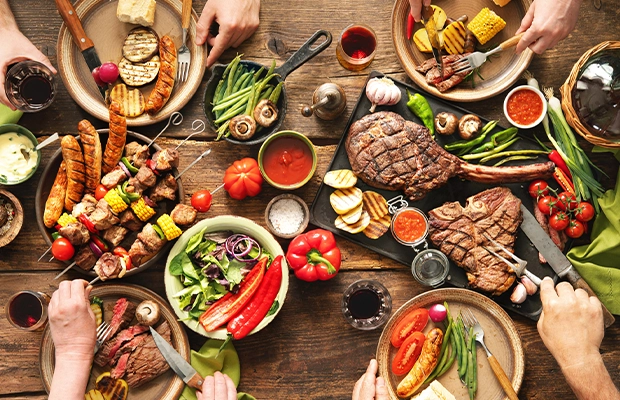
It’s official: protein is king. Whether you’re scrolling through food trends, grocery shopping, or tweaking your meal plans, it’s clear — more people are seeking high-protein diets. But what does this surge in animal protein consumption really mean for your diet, performance, and long-term health? Let’s dig in.
The Protein Boom
There’s been a huge uptick in protein interest across the U.S. People are being more deliberate about eating protein and seeking food swaps and recipes that make “unhealthy foods,” such as desserts and treats into healthier, high-protein versions.
While more Americans are chasing protein-packed products than ever before, there’s still a gap in knowledge around how much, and what type of protein they actually need.
How Much Protein is Really Enough?
While high-protein diets are trendy, too much of a good thing can backfire.
- For the average person, around 0.8 grams of protein per kilogram of body weight is enough.
- Athletes or those trying to build muscle might need 1.2 to 2.0 grams per kilogram.
- For someone weighing 150 pounds (68 kilograms), that’s roughly 55 to 136 grams per day, depending on activity level.
So yes, active people need more protein, but more doesn’t mean as much as possible. You can talk to your dietitian about specific goals such as weight status, pregnancy, growth, and disease states that may affect your protein needs.
Performance Gains: True or Hype?
There’s no doubt that protein is crucial for muscle repair, recovery, and strength gains. If you’re an athlete, enjoy being active in your free time, or simply aiming for better body composition, prioritizing good-quality protein from animal sources like lean meats, dairy, eggs, and fish can support your goals.
It’s important to remember:
- Timing: Spread your protein intake throughout the day for maximum muscle-building benefits.
- Quality matters: Choose lean, minimally processed sources over fatty, fried, or heavily processed meats.
The Risks of Overconsumption
Here’s the catch: more isn’t always better. Consuming too much protein, particularly from animal sources, can put stress on your kidneys, increase risk of heart disease, and may contribute to nutritional imbalances if other food groups are neglected. For example, focusing too much on protein might lead to lower fiber intake which is also crucial for our health.
Key points to keep in mind:
- Watch your portion sizes.
- Balance your plate with vegetables, fruits, and healthy fats.
- Know your individual needs — what’s great for a bodybuilder might not be right for you.
- Get your protein from healthy sources such as low-fat dairy products, fish, nuts, beans, lean chicken, and turkey.
- Limit cured meats and avoid proteins sources that contain highly process carbohydrates and saturated fat.
- Try balancing your intake by adding a vegetable protein two or more times per week.
- Talk to your dietitian if you have any underlying conditions or specific goals that you would like to meet.
Final Bite: Smart Protein Choices for a Stronger You
Protein is necessary for a lot of bodily process, can help keep us fuller for longer, and help meet our body composition goals. You should focus on quality sources, listen to your body, and adapt your intake to fit your personal goals and needs.
In the end, a strong, balanced diet builds a strong, balanced body. Finding a personalized approach that helps you balance your diet is key to overall health.