
Beyond Travel: Understanding Florida’s Rise in Local Dengue Cases
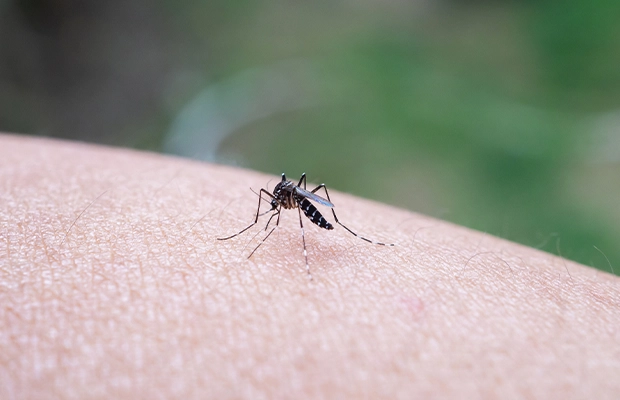
- Florida public health officials have issued mosquito-borne illness alerts following a rise in both travel-related and locally acquired dengue fever cases.
- Dengue spreads through bites from infected Aedes mosquitoes and causes high fever, severe headaches, joint pain, nausea, and skin rash.
- Reducing local dengue risks requires eliminating standing water, applying EPA-approved insect repellent, and getting medical attention if symptoms occur after mosquito exposure.
Public health advisories in South Florida have put local communities on notice: dengue fever is no longer just a concern for international travelers. While cases from tropical regions continue to account for part of the statewide numbers, health officials report a noticeable shift toward locally acquired infections.
Understanding why local transmission is increasing and recognizing key symptoms early are critical to keeping yourself and your family protected.
Why Dengue Cases Are Increasing Locally
cHowever, local transmission occurs when a mosquito bites an infected traveler and then transmits the virus to others in the community.
Several environmental and seasonal factors contribute to this rise:
- Subtropical climate: Warmer temperatures helps mosquitoes reproduce faster and allow the virus to develop more quickly inside them.
- Heavy rainfall and standing water: Summer storms leave behind pockets of standing water—in yard saucers, clogged gutters, and tire rims—creating mosquito breeding grounds.
- High population density and travel: Frequent travel between Florida and areas where dengue is common creates ongoing opportunities for the virus to re-enter local mosquito populations.
Recognizing Dengue Symptoms Early
Dengue is often nicknamed “breakbone fever” due to the intense muscle and joint pain it can cause.
Symptoms typically appear three to 14 days after an infected mosquito bite.
Common signs include:
- High fever accompanied by severe headache
- Pain behind the eyes
- Joint, bone, and muscle aches
- Nausea, vomiting, or fatigue
- Mild skin rash appearing a few days after fever starts
Unlike typical respiratory illnesses, dengue fever doesn’t usually cause coughing or a runny nose. If you or a family member develop high fever along with severe aches after spending time outdoors, talk to a doctor immediately.
Steps to Protect Your Home
Protecting your household from dengue requires a proactive strategy aimed at both mosquito control and bite prevention.
Drain Stagnant Water Weekly
- Inspect outdoor areas: Empty water collected in flowerpot saucers, pet bowls, buckets, trash cans, and pool covers. Mosquitoes can breed in as little water as a bottle cap.
- Clear debris: Unclog roof gutters and flush birdbaths twice a week.
Cover Up and Protect
- Apply repellent: Use EPA-registered insect repellents containing DEET, picaridin, or oil of lemon eucalyptus on exposed skin.
- Wear protective clothing: When outdoors during peak mosquito activity (early morning and dusk), wear light-colored, loose-fitting, long-sleeved shirts and pants.
- Secure your home: Make sure window and door screens are in good condition to keep mosquitoes out.
Protect Your Family and Community
By taking steps to eliminate mosquito breeding grounds around your home and practicing daily bite protection, you help reduce the spread of dengue across South Florida. Stay informed on local health advisories, and contact your primary care doctor if you experience symptoms. Together, simple preventative measures can make a lasting difference in keeping our community healthy.