
Billy Joel’s Diagnosis Brings Attention to Normal Pressure Hydrocephalus
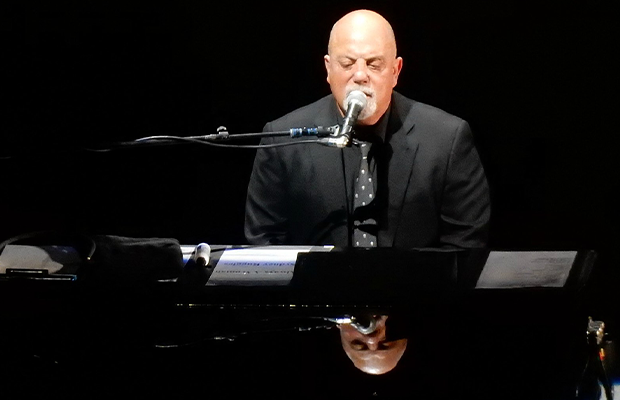
Music legend Billy Joel recently canceled multiple shows because of his battle with normal pressure hydrocephalus (NPH). Because the condition is unfamiliar to many, it’s frequently misdiagnosed. NPH is a treatable neurological disorder that often affects older adults. Here’s what you need to know about NPH.
What’s Normal Pressure Hydrocephalus?
NPH is caused by an abnormal buildup of cerebrospinal fluid (CSF) in the brain’s ventricles—fluid-filled spaces that cushion and protect the brain and spinal cord. The excess fluid still places stress on brain tissue and impacts how the brain functions.
According to James Galvin, MD, division chief of cognitive neurology at University of Miami Miller School of Medicine, NPH can mimic several conditions including Alzheimer’s disease or Parkinson’s disease. With the right treatment, patients can improve dramatically.
Common Symptoms to Watch For
NPH is often overlooked because its symptoms mirror common conditions in aging adults. The key warning signs include:
- Walking difficulties – A slow and shuffling stride, trouble initiating movement, balance problems, and falls.
- Urinary incontinence – Sudden urges to urinate or accidents.
- Memory problems – Confusion, short-term memory loss, or slowed thinking.
“When these symptoms appear together, they’re a red flag for NPH,” said Dr. Galvin. “Too often, patients are misdiagnosed with Alzheimer’s or Parkinson’s and don’t get the treatment that could help them.”
Treatment For NPH
The most effective treatment is the placement of a ventriculoperitoneal shunt. This small device is surgically implanted to drain excess CSF from the brain.
“Shunt surgery can lead to significant improvements,” said Dr. Galvin. “Early intervention can help patients go from needing constant assistance with balance and urinary control to walking and functioning independently.”
What You Need to Know
Early detection of NPH is critical. If you or a loved one is showing symptoms, don’t wait to seek medical attention. A diagnosis could lead to real recovery and renewed independence.
