
Can Mouth Taping Improve Sleep?
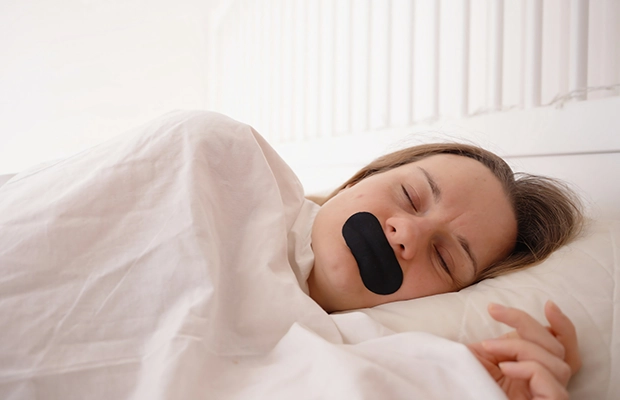
Mouth taping has become one of the most popular wellness trends on social media. People tape their mouths shut at night to encourage nose breathing and improve sleep quality. While the practice may sound unusual, interest continues to grow as people look for simple, low-cost ways to feel more rested.
Although research is still emerging, supporters point to several potential benefits that help explain why mouth taping has captured so much attention.
Encouraging Nose Breathing During Sleep
One of the main reasons people try mouth taping is to promote nose breathing. “Humans are designed to breathe through their noses. It’s a healthier way of breathing, so we want to train ourselves to breathe through our nose,” said Rick Arias, MD, a family medicine doctor at UHealth Jackson Urgent Care. Breathing through the nose helps filter dust, allergens, and other particles before they reach the lungs. It also adds moisture and warmth to the air, which may reduce irritation in the throat.
Adults who sleep with their mouths open often report waking up with dry mouth, a sore throat, or bad breath.
Keeping the mouth closed during sleep may help limit these issues and support better oral comfort overnight.
Reducing Snoring and Sleep Disruptions
Snoring is commonly linked to open-mouth breathing. For some, gently encouraging the mouth to stay closed may reduce snoring caused by airflow vibration. Less snoring can mean fewer nighttime disruptions, both for the sleeper and for anyone sharing the room.
Improved airflow through the nose may also help some adults feel that their sleep is deeper or more consistent.
A Simple Addition to Sleep Habits
Many people drawn to mouth taping see it as an easy habit to pair with other sleep practices. It requires no technology, no prescription, and minimal cost. As interest in holistic wellness grows, mouth taping is often grouped with trends focused on improving rest, energy, and daily performance.
Some adults report feeling refreshed in the morning or notice better focus during the day after improving their nighttime breathing habits.
Important Risks to Consider
While mouth taping may offer benefits for some, it’s not appropriate for everyone. People with breathing-related sleep disorders, such as obstructive sleep apnea, may be at risk if airflow becomes restricted during the night.
Nasal congestion from allergies, colds, or sinus issues can also make nose breathing difficult. In these situations, taping the mouth could cause discomfort or breathing challenges. Anyone who feels short of breath, panicked, or uncomfortable should stop immediately.
Because scientific evidence is limited and individual responses vary, mouth taping should be approached with caution.
Knowing When to Look Deeper
Frequent mouth breathing, loud snoring, or ongoing daytime fatigue can signal an underlying sleep or airway issue.
In these cases, improving sleep may require identifying and addressing the root cause rather than relying on wellness trends alone.
Sleep testing, including at-home options, can provide useful insight into nighttime breathing patterns and overall sleep quality.
Mouth taping continues to gain popularity as people search for better rest. Understanding both the potential benefits and limitations helps individuals make informed choices about their sleep health.

Rick Arias, MD
Family Medicine
Country Walk Urgent Care Center
13707 SW 152ND STREET MIAMI, FL 33177