
Can Sleep Apnea Trigger a Brain Bleed?
Ignacio E. Tapia, MD
A new study found that untreated obstructive sleep apnea (OSA) in adults may be linked to tiny brain bleeds called microbleeds. These microbleeds can show up as we age, but having more of them has been tied to a higher risk of stroke, memory loss, and dementia.
What’s the Connection?
When you have sleep apnea, your breathing stops and starts through the night. That means less oxygen for your brain, and over time, that stress on your blood vessels may cause small bits of damage.
What You Can Do
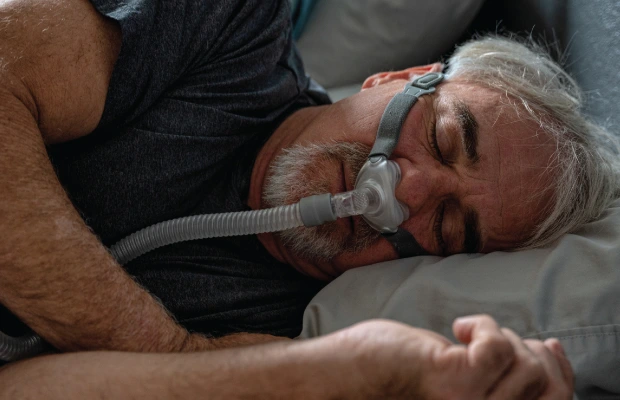
Adults who’ve already been diagnosed with OSA should stick with their treatment plan and consistent use of a continuous positive airway pressure (CPAP) machine. Using it regularly keeps oxygen flowing and helps protect the brain and heart. For children, the first line of treatment is adenotonsillectomy and the second line is CPAP.
If you’re unsure you have sleep apnea, look out for these signs:
- Loud snoring
- Gasping or choking in your sleep
- Waking up tired or with headaches
- Trouble concentrating during the day
Talk to your doctor or a sleep specialist if you’re experiencing any of these symptoms.
The Good News
It’s never too late to take action. Treating sleep apnea can help you feel more rested, improve your mood and focus, and maybe even protect your brain long-term. So, if you’ve been putting off using your CPAP machine or signing up for that sleep study, this is your reminder that better sleep now means a healthier brain later.

Ignacio Tapia, MD
Pediatric Pulmonology, Sleep Medicine
Batchelor Children’s Research Institute
1580 NW 10 Ave Miami, Florida 33136
Holtz Children’s Hospital
Ambulatory Care Center West 1611 NW 12 Ave, 5th Floor, Miami, Florida 33136
UHealth Jackson Specialty Care at Jackson West
2801 NW 79TH Avenue, Suite #401 Doral, Florida 33122
UHealth Pediatric Specialists
at The Lennar Foundation Medical Center 5555 Ponce De Leon Blvd., 3rd Floor, Coral Gables, Florida 33146