
Cancer Diagnoses Are Rising Among Younger Women: What You Need to Know
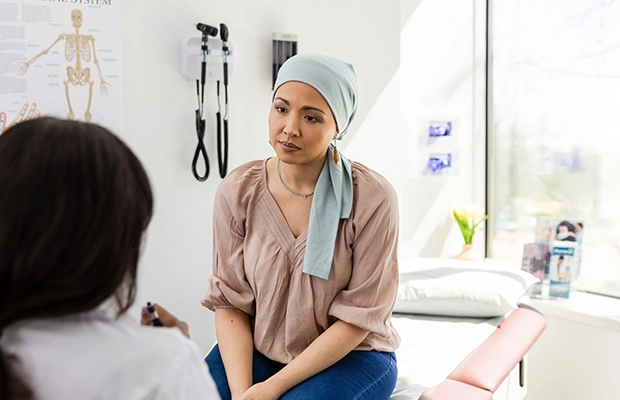
Recent studies reveal a concerning trend: cancer diagnoses are increasing among younger women in their teens, 20s, and early 30s. This rise spans various types of cancer, like breast, thyroid, colorectal, cervical, and skin cancers. While there’re many reasons for this increase, understanding the contributing factors and taking proactive steps can empower younger women to better manage their health.
Why are cancer rates rising?
The increase in cancer diagnoses among younger women is linked to a combination of genetic, environmental, and lifestyle factors:
- Genetics and family history: Hereditary conditions, such as BRCA gene mutations or Lynch syndrome, can significantly elevate cancer risk.
- Lifestyle factors: Obesity, smoking, alcohol use, poor diet, and lack of exercise are major contributors to increased cancer risk.
- Environmental exposures: Long-term exposure to carcinogens, like ultraviolet (UV) rays, pollutants, and endocrine-disrupting chemicals (chemicals found in plastics, personal care products, as well as common pesticides), can play a role.
- Delays in diagnosis: Younger women may overlook early symptoms or face misdiagnosis because cancer is often perceived as a condition affecting older people.
What should younger women know?
- Pay attention to early symptoms: Persistent changes, like unusual lumps, abnormal bleeding, unexplained weight loss, or changes in moles, shouldn’t be ignored. Trust your instincts and seek medical advice if something feels off.
- Understand your family history: Knowing your family’s health history is crucial. Discuss your risk factors with your doctor, and consider genetic testing if there’s a strong history of cancer in your family.
- Screening isn’t just for older adults: While routine screenings for breast, cervical, and colorectal cancers are typically recommended for older adults, younger women with risk factors may need earlier or more frequent testing.
“Early detection is one of the most powerful tools we have,” said Dr. Veronica Alvarez-Galiana, an OB-GYN at Jackson South Medical Plaza. “Paying attention to your body and understanding your family history can make a critical difference in outcomes.”
Steps to lower your risk
Taking preventive measures can make a big difference in reducing cancer risk. Some helpful lifestyle changes include:
- Adopt a healthy diet: Focus on fruits, vegetables, whole grains, and lean proteins. Limit processed foods, red meat, and added sugars.
- Stay active: Aim for at least 150 minutes of moderate exercise weekly to maintain a healthy weight and improve overall health.
- Avoid tobacco: Smoking increases the risk of various cancers, including lung and cervical cancer.
- Limit alcohol: Even moderate alcohol consumption can raise the risk of breast and other cancers.
- Protect your skin: Use sunscreen with at least SPF 30, avoid tanning beds, and limit sun exposure to reduce the risk of skin cancer.
- Prioritize sleep: Quality sleep supports immune function and overall health, reducing vulnerability to chronic diseases.
By staying informed and proactive, younger women can take meaningful steps to reduce their cancer risk.
“It’s never too early to prioritize your health,” Dr. Alvarez-Galiana said. “A simple conversation with your doctor about your risks and preventive care can set you on the right path.”
Veronica Alvarez-Galiana, MD, is an OB-GYN at Jackson South Medical Plaza. She specializes in obstetrics, minimally invasive gynecologic surgery, fibroids, polycystic ovarian syndrome, menopause, and well women care. To schedule an appointment with Dr. Alvarez-Galiana, call 305-256-5720 or visit jacksonhealth.org.