
Celebrating Black History Month with Dr. Joseph Durandis, Hospitalist and Director of Palliative Care, Jackson North Medical Center

Growing up in Haiti, Joseph Durandis, MD, had three career options: becoming a priest, pursuing soccer, or becoming a doctor.
“I chose medicine because it was a way to connect with people every day,” Dr. Durandis said. “I can meet new people and make a difference in their lives.”
When he left Haiti to pursue opportunities in the United States, he found his passion for working with underserved communities, filling the need for providing primary care medicine and end-of-life care.
Now, he blends his dedication to all these areas of medicine as a primary care physician, director of palliative care, and hospitalist at Jackson North Medical Center, as well as program director of a family medicine residency program.
Dr. Durandis was drawn to family medicine and palliative/ hospice care after learning about the shortage of physicians in these areas, and the need for more diverse representation. It also fueled him to become a mentor for the next generation.
“That’s one of the reasons I chose to become a program director to physicians-in-training and minority physicians,” he said.
Dr. Durandis believes representation among physicians ultimately impacts patient care.
“If you don’t have sensitivity for the people, especially for Black people who have been treated badly before and are already skeptical of the healthcare system, they will remain skeptical,” Dr. Durandis said. “That trickles down, impacting whether they are compliant with taking their medicine, whether they trust a doctor and follow their care plan.”
He hopes Black History Month inspires younger generations in the Black community – and other marginalized or minority groups – to see what’s possible.
“I’m passionate about serving underserved people and the Black community has been underserved throughout history,” he said. “Black History Month is a reminder of all the struggles we’ve been through, so we can be where we are now and continue to fight for people who need help, regardless of their race.”
Dr. Durandis also hopes the national celebration and recognition allows younger Black people to find role models they can look to for inspiration.
“For you to do something, most people have to see it,” he said. “They don’t see enough role models like Black physicians in the community.”
After helping guide 16 physicians – many minorities – through the residency program, Dr. Durandis’ is proud of the impact he’s made.
“I see more interest for people going into health care, but we still need to capture those Black physicians, and create the interest for them to join health care to help decrease that disparity,” Dr. Durandis said. “They try to close the gap, but it isn’t enough. I hope to inspire young people so they can choose that path, stay in the community, and make a lasting difference.”
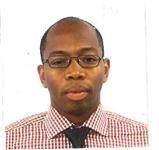
Joseph Durandis, MD
Family Medicine, Hospice and Palliative Medicine
Joseph Durandis
1190 NW 95th St Suite 405, Miami, Florida 33150