
Common Infections and Their Long-Term Connection to Cancer
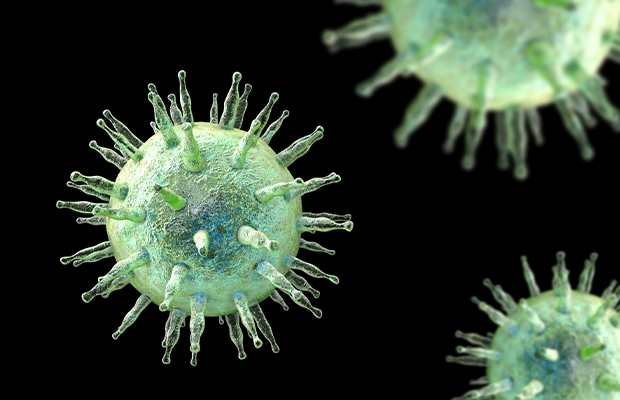
- Certain infections, including HPV, hepatitis B and C, and EBV, are linked to an increased risk of developing cancer.
- A recent report from the World Health Organization’s International Agency for Research on Cancer found that approximately 12 percent of cancer cases worldwide in 2024 were associated with infections.
- Vaccination, recommended screenings, testing, and appropriate treatment can help reduce infection-related cancer risks and support early detection.
A common perception of the term “long-term health risks” is often thought of as genetics, lifestyle choices, or environmental factors. Ongoing research highlights a key finding in someone’s overall wellness: viral and bacterial infections.
A recent report from the World Health Organization’s International Agency for Research on Cancer found that approximately one in eight new cancer cases worldwide in 2024 were linked to infections. Common infections associated with cancer include:
- Human papillomavirus (HPV)
- Hepatitis B and hepatitis C
- Epstein-Barr virus (EBV)
Human Papillomavirus
HPV consists of more than 200 related viruses and it’s the most common sexually transmitted infection. Most HPV infections don’t cause symptoms and the body’s immune system can clear the virus naturally. High-risk strands can cause cellular changes, leading to cervical, throat, and other cancers.
Common symptoms:
- Genital warts (low-risk strains)
- Skin warts (non-genital strains)
Treatment and prevention:
- The HPV vaccine (recommended for preteens, teens, and young adults) protects against the strains most likely to cause cancer long-term.
- Regular Pap smear tests and HPV co-testing allows your doctor to catch abnormal cells early.
- There isn’t a cure to this virus but it’s important to monitor and get regular screenings.
Hepatitis B and Hepatitis C
Hepatitis B and hepatitis C are viral infections that cause inflammation of the liver. They can be transmitted through contact with infected blood or bodily fluids. If these infections are left untreated, they can lead to liver scarring and liver cancer.
Common symptoms
- Early stages include fatigue, yellowing of the skin and eyes, dark urine, and abdominal pain.
- Chronic stages of these infections often show no symptoms for decades.
Treatment and prevention:
- Hepatitis B is preventable with a highly effective, routine vaccine given at infancy or adulthood.
- Chronic hepatitis B can’t be cured completely; daily antiviral medications can keep the virus under control and protect the liver.
- There aren’t vaccines available for hepatitis C, but a direct-acting oral antiviral medication can cure 95 percent of cases in only a few months.
Epstein-Barr Virus
EBV is one of the most common human viruses in the world, and can affect up to 90 percent of adults. It’s best known for causing infectious mononucleosis, commonly known as mono. Once you contract EBV, the virus remains dominant in your immune system for life.
Common symptoms:
- Extreme fatigue
- High fever and sore throat
- Swollen lymph nodes in the neck and armpits
Treatment and prevention:
- There isn’t a specific antiviral medication or vaccine approved to cure a standard EBV infection.
- Management primarily focuses on relieving symptoms while the immune system clears the virus.
Understanding the correlation between infections and cancer is an important step toward protecting long-term health. While not all infection-related cancers can be prevented, vaccination, recommended screenings, testing and appropriate treatment can help reduce risk and support early detection.