
Could Eating Peanuts Every Day Support Brain Health? New Research Says It’s Worth a Closer Look
November 2, 2026
When it comes to supporting brain health, small changes in everyday eating habits may make a difference. And according to new research, one familiar snack could offer benefits beyond nutrition: peanuts.
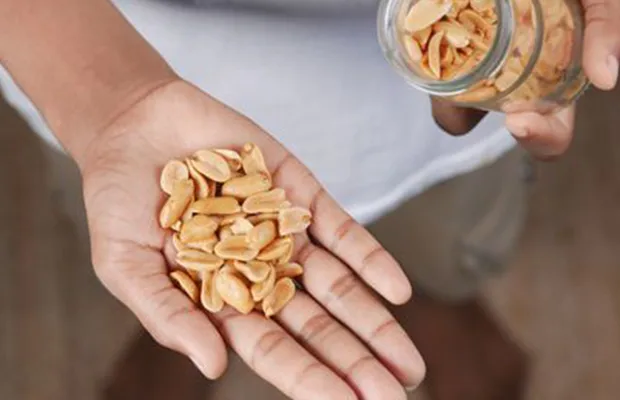
A recent study published in the peer-reviewed journal Food & Function found that eating unsalted, skin-roasted peanuts daily may positively influence how the brain responds to insulin, particularly in areas associated with memory.
Researchers at Maastricht University Medical Center in the Netherlands studied 31 healthy adults between the ages of 60 and 75. Participants consumed approximately 60 grams, or two servings, of unsalted, skin-roasted peanuts daily for 16 weeks. Researchers then compared their results with a separate period when participants didn’t eat peanuts.
The findings showed favorable changes in insulin responsiveness in several brain regions involved in memory. Insulin is commonly associated with blood sugar regulation, but it also plays an important role in brain function, helping nerve cells communicate and supporting memory and learning.
Why Peanuts May Be Good for Your Brain
Peanuts contain several nutrients that contribute to overall health, including:
- Healthy fats: Unsaturated fats that support heart health.
- Plant-based protein: Helps support muscle maintenance and overall nutrition.
- Fiber: Supports digestive health and helps promote fullness.
- Vitamins and minerals: Provide nutrients that support normal body and brain functions.
Researchers believe the combination of these nutrients, along with naturally occurring plant compounds, may contribute to the potential brain benefits.
A Promising Finding, Not a Cure
While the findings are encouraging, researchers emphasize that more studies are needed. The trial included a relatively small group of older adults and doesn’t establish that eating peanuts prevents Alzheimer’s disease, dementia, or age-related memory loss.
Still, the research adds to the growing understanding of how nutrition may influence brain health as we age.
A balanced diet, regular physical activity, quality sleep, and routine preventive care all play a role in supporting overall health. Sometimes, even small choices throughout the day can contribute to a healthier future.