
Cyclosporiasis Outbreak: Foods to Avoid and How to Prepare Food Safely
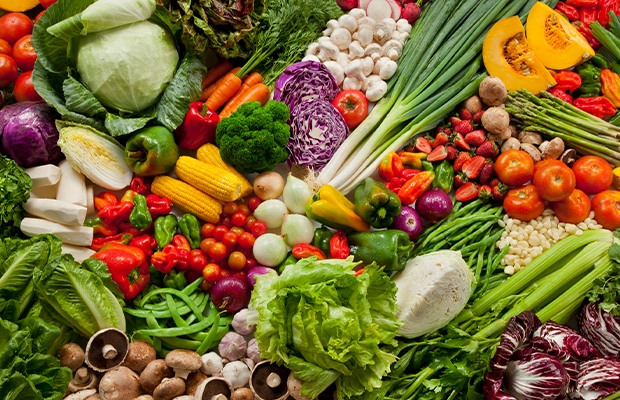
A multi-state outbreak of cyclosporiasis, an intestinal illness caused by a parasite found in contaminated food and water, has many people wondering whether their fresh fruits and vegetables are safe to eat.
What are Cyclosporiasis Symptoms?
Common symptoms include watery diarrhea, stomach cramps, bloating, nausea, tiredness, body aches, and, in some cases, a mild fever. Most people recover, but the illness can be more serious for older adults, young children, and people with weakened immune systems because it can cause dehydration. Symptoms usually start about a week after someone eats contaminated food and can last several days if left untreated. If symptoms don’t improve or get worse, professional medical attention is recommended.
How Can You Stay Safe During the Outbreak?
Experts say the best way to stay safe is to avoid recalled products and handle fresh produce carefully. Wash your hands before and after preparing produce, and wash fruits and vegetables thoroughly with water before eating or cooking. While washing can lower the risk, it may not remove the parasite entirely.
Cooked and canned foods are considered safe because heat kills the parasite. Fruits with thick peels that you throw away, such as bananas, oranges, pineapples, and watermelon, are also lower risk. If you’re worried about fresh produce, consider choosing cooked vegetables, soups, or stir-fries until we know more about the outbreak.