
Cyclosporiasis: Symptoms, Causes, and Prevention
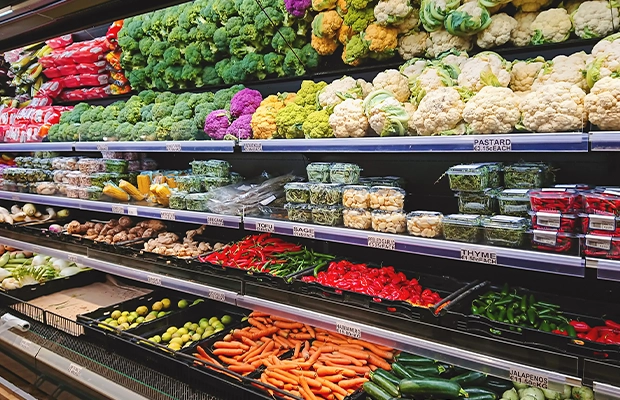
Cyclosporiasis cases typically increase during the warmer months. Understanding the symptoms and how to prevent it can help protect you and your loved ones.
What’s cyclosporiasis?
Cyclosporiasis is an intestinal illness caused by a tiny parasite called Cyclospora cayetanensis. The infection happens after someone eats or drinks something contaminated with the parasite, most commonly found in fresh fruits, vegetables, or water.
What’re the symptoms of cyclosporiasis?
Symptoms usually begin about one week after exposure and can include:
- Frequent watery diarrhea
- Loss of appetite
- Weight loss
- Stomach cramps or bloating
- Nausea
- Fatigue
- Low-grade fever
- Increased gas
How can you prevent cyclosporiasis?
Although washing produce can’t remove every parasite, these steps can help lower your risk:
- Wash fresh fruits and vegetables before eating them.
- Drink safe, clean water.
- Wash your hands with soap and water before preparing food and after using the restroom.
- Practice safe food handling and refrigeration.
When should you see a doctor?
Seek medical care if you have:
- Diarrhea lasting more than a few days
- Signs of dehydration, such as dizziness, dry mouth, or very dark urine
- Severe stomach pain
- Bloody diarrhea
- A weakened immune system and persistent digestive symptoms
Early diagnosis and treatment can help you recover quickly and avoid complications. If you develop persistent diarrhea, especially after eating fresh produce or traveling, talk with doctor about whether testing for cyclosporiasis is appropriate and what treatment options are available.

Miguel Menendez, MD
Internal Medicine
Jackson Medical Group
Jackson Medical Group – Jackson West
2801 N.W. 79th Ave. Suite 402, Miami, FL 33122