
Dengue Is on the Rise in Florida: What You Need to Know
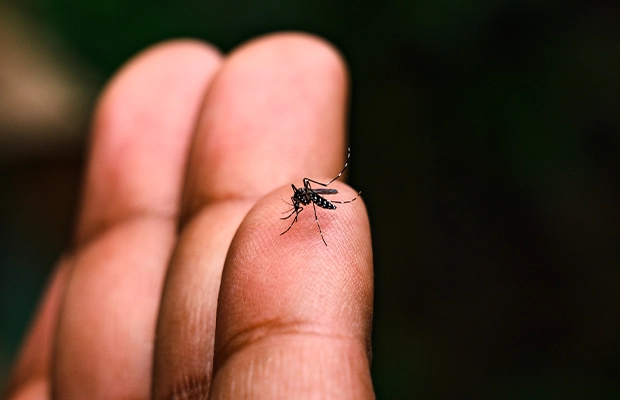
Dengue is a virus spread by infected mosquitoes. While it’s more common in tropical areas, health officials have recently reported cases in parts of Florida. Knowing the signs of dengue can help you get the right care when you need it.
What’s Dengue?
Dengue is a viral illness spread through the bite of an infected mosquito. In Florida, dengue is mainly spread by Aedes mosquitoes, which also spread viruses such as Zika and chikungunya.
Some people who have dengue don’t experience symptoms. Others may develop a fever and feel very sick. Most people with symptoms get better within a week, but dengue can sometimes become more serious.
What are the Symptoms of Dengue?
Symptoms can start several days after a bite from an infected mosquito and include:
- Fever
- Severe headache
- Pain behind the eyes
- Muscle, bone, or joint pain
- Nausea or vomiting
- Rash
Some people describe the body aches from dengue as very painful. This is why it’s sometimes called “break-bone fever.”
If you develop symptoms, talk with a healthcare professional, especially if you’ve recently traveled to an area where dengue is common and you may have been exposed to mosquitoes.
How’s Dengue Treated?
There’s no specific medicine that cures dengue. Treatment focuses on managing symptoms and helping your body recover.
If dengue is suspected, a healthcare professional may recommend steps to help manage your symptoms, such as:
- Getting plenty of rest.
- Drinking fluids to prevent dehydration.
- Taking acetaminophen to help with fever and pain.
If you think you have dengue, ask your doctor before taking aspirin or ibuprofen. These medications can increase the risk of bleeding in people who are infected.
Testing may be recommended to help determine if you have dengue or another illness with similar symptoms.
When Should You Seek Medical Help?
Most people recover without serious problems, but dengue can become severe within a few hours.
Warning signs can appear after a fever starts to go away. Get medical help right away if you develop:
- Severe belly pain or tenderness
- Repeated vomiting
- Bleeding from the nose or gums
- Blood in your stool
- Extreme tiredness, restlessness, or irritability
Severe dengue is a medical emergency and may require treatment in a hospital.
Protect Yourself From Mosquito Bites
The best way to lower your risk of dengue is to avoid mosquito bites. Use an EPA-registered insect repellent, wear long sleeves and pants when possible, and remove standing water around your home where mosquitoes can lay eggs.