
De’Von Achane Suffers Knee Injury: What Does Knee Rehabilitation Look Like?
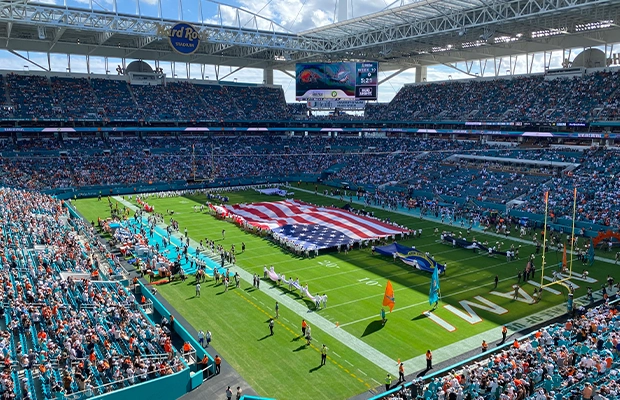
- Miami Dolphins running back De’Von Achane reportedly suffered a torn ACL during Sunday’s game against the Kansas City Chiefs.
- Knee rehabilitation typically focuses on restoring mobility and strengthening the quadriceps, hamstrings, and glutes before progressing to more demanding movements.
- Athletes may gradually advance to running, sprinting, and change-of-direction drills, with return-to-sport decisions based on strength, stability and functional testing.
Miami Dolphins running back De’Von Achane reportedly suffered a torn ACL during Sunday’s game against the Kansas City Chiefs, bringing attention to knee injuries and the rehabilitation athletes may need before returning to their sport.
Achane was injured during the first quarter and did not return to the game. While rehabilitation varies depending on the type and severity of a knee injury, recovery often involves rebuilding strength, mobility, balance and stability.
For a running back, that recovery is especially important. The position requires explosive acceleration, sudden stops, sharp cuts, and rapid changes in direction — movements that place significant demands on the knees.
What Does Knee Rehabilitation Focus On?
A rehabilitation program may focus on several areas, including restoring range of motion, strengthening muscles that support the knee, improving balance, and gradually reintroducing sport-specific movements.
Exercises That Help Strengthen the Knee
Depending on the injury and stage of recovery, a physical therapist may incorporate exercises such as:
- Quadricep activation and straight-leg raises: These exercises help strengthen the muscles at the front of the thigh that play an important role in supporting and controlling the knee.
- Bridges: Bridges strengthen the glutes and hamstrings, helping improve support throughout the lower body.
- Squats and wall sits: As recovery progresses, these exercises can help build strength in the quadriceps, hamstrings, and glutes.
- Single-leg exercises: Exercises performed on one leg can help rebuild strength, balance, and control while identifying differences between the injured and uninjured sides.
- Balance and stability exercises: These challenge the body’s ability to control the knee and lleg, an important skill for athletes who need to react quickly on the field.
- Running and change-of-direction drills: Later in rehabilitation, athletes may progress to jogging, sprinting, cutting, and other sport-specific movements once they have regained sufficient strength and control.
The progression is important. An athlete may begin with relatively simple movements before advancing to exercises that more closely resemble the demands of competition.
When’s an Athlete Ready to Return to the Field?
Returning to sports isn’t simply about being pain-free.
The timeline can vary depending on the diagnosis, whether surgery is required, and how the athlete responds to rehabilitation.
For recreational athletes recovering from a knee injury, the same principle applies: Don’t rush back to activity simply because the knee starts feeling better.
Anyone who experiences significant knee pain, swelling, instability, or difficulty bearing weight after an injury should be evaluated by a medical professional to determine the cause and appropriate treatment.
Image credit: Gatorfan252525, CC BY-SA 4.0, via Wikimedia Commons