
Empowering Kids with Autism: Practical Strategies for Support and Success
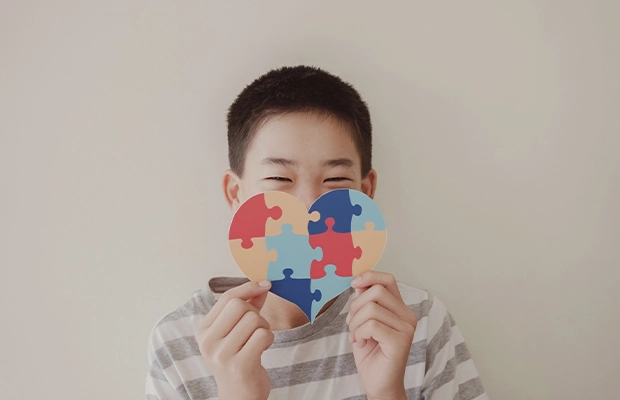
World Autism Awareness Day, observed on April 2, was established by the United Nations in 2007 to promote acceptance, understanding, and meaningful support for individuals with autism spectrum disorder (ASD).
According to the Centers for Disease Control and Prevention, about one in 36 children have been identified with ASD. Autism is spectrum-based, meaning each individual has different challenges and strengths. Research highlights that early diagnosis and intervention enhance developmental outcomes for children with ASD. Below are recommended strategies for parents and caregivers to support youth with ASD.
- Foster a Strengths-Based Mindset
Children with ASD exhibit unique strengths that should be recognized and nurtured. Instead of solely focusing on challenges, identify and encourage your child’s abilities, whether in problem-solving, creativity, or attention to detail. A strengths-based approach builds confidence and resilience. - Create Predictable Routines
All children benefit from structure and predictability, especially those with ASD. Establishing consistent daily routines can minimize anxiety and provide a sense of security. When changes are unavoidable, prepare your child in advance using visual schedules, visual timers, and social stories. - Support Sensory Needs
Children with ASD often experience sensory sensitivities. Pay close attention to sensory triggers and adapt the environment accordingly. Providing noise-canceling headphones, fidget tools, or designated quiet spaces can help regulate sensory input and enhance comfort. - Encourage Authentic Social Interactions
Support your child’s natural communication style by gradually encouraging meaningful interactions in comfortable settings and introducing social opportunities. Facilitating interest-based connections can make social engagement more enjoyable and ease social challenges. - Prioritize Self-Advocacy Skills
Teaching self-advocacy empowers children with ASD how to express their needs and preferences. Language or alternative communication tools help your child articulate their thoughts, emotions, and boundaries effectively. - Seek Professional and Community Support
Develop personalized strategies with autism specialists, including developmental pediatricians and speech, physical, occupational, and behavioral providers. Connecting with other parents, caregivers, and advocacy groups can offer valuable insights and emotional support.
Building a More Inclusive Society
World Autism Awareness Day is not only about recognizing autism but also about creating an inclusive society where children with ASD are celebrated and supported.