
England’s Jordan Henderson Hospitalized With Wrist Injury: What Does Rehabilitation Look Like?
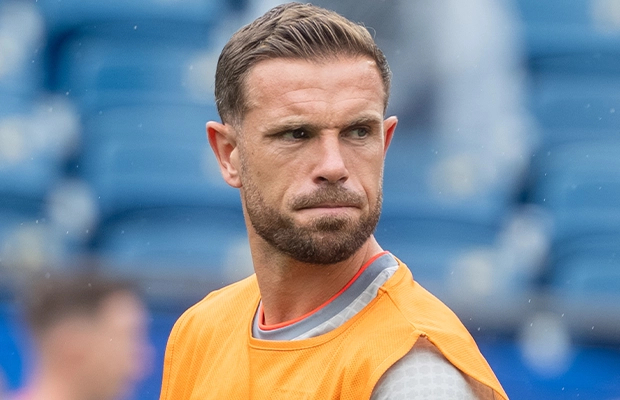
England midfielder Jordan Henderson was recently hospitalized after hurting his wrist during the team’s World Cup match against Mexico, bringing attention to an injury that can sideline athletes of all levels. Every wrist injury is different and recovery often depends on the severity of the damage, making proper diagnosis and rehabilitation essential.
Common Wrist Injuries
The wrist is made up of eight small bones connected by a complex network of ligaments, tendons, muscles, and nerves. Injuries commonly happen after falls, direct impact, or forceful twisting motions, making them especially common in sports such as soccer, football, gymnastics, tennis, and cycling.
Some of the most common wrist injuries include:
- Sprains caused by stretched or torn ligaments
- Fractures of the wrist bones
- Tendon inflammation or tears
- Joint dislocations
- Triangular fibrocartilage complex (TFCC) injuries, which affect the cartilage on the pinky side of the wrist
Symptoms may include pain, swelling, bruising, weakness, stiffness, reduced range of motion, or difficulty gripping objects.
What Does Rehabilitation Look Like?
Recovery begins with protecting the injured wrist while controlling pain and inflammation. Depending on the injury, treatment may include bracing or casting, medications, physical or occupational therapy, and surgery in more severe cases.
Rehabilitation often progresses through several phases:
- Protecting the injury: Immobilization may be necessary while the injured tissues heal.
- Restoring motion: Gentle stretching and range-of-motion exercises help prevent stiffness.
- Building strength: Therapists gradually introduce exercises targeting the muscles of the hand, wrist, and forearm.
- Improving function: Balance, coordination, grip strength, and sport-specific movements are added as healing progresses.
- Returning to activity: Athletes may slowly resume training once strength, motion, and stability have returned.
How Long Does Recovery Take?
Recovery timelines vary depending on the diagnosis.
A mild wrist sprain may improve within a few weeks, while fractures, ligament tears, or injuries requiring surgery can take several months before someone returns to full activity.
When Should You Seek Medical Care?
While minor wrist soreness may improve with rest, ice, compression, and elevation, medical evaluation is recommended if you experience:
- Severe pain after an injury
- Significant swelling or deformity
- Inability to move the wrist or fingers
- Numbness or tingling
- Persistent pain lasting more than a few days
- Difficulty gripping or carrying objects
Early evaluation helps physicians identify fractures or ligament injuries and begin the appropriate treatment plan.
Whether you’re a professional athlete or simply took a fall at home, prompt diagnosis and a structured rehabilitation program can help restore wrist function and support a safe return to the activities you enjoy.
Image credit: Jordan Henderson, CC BY-SA 4.0, via Wikimedia Commons
