
FDA Bans Red No. 3: What Parents Should Know
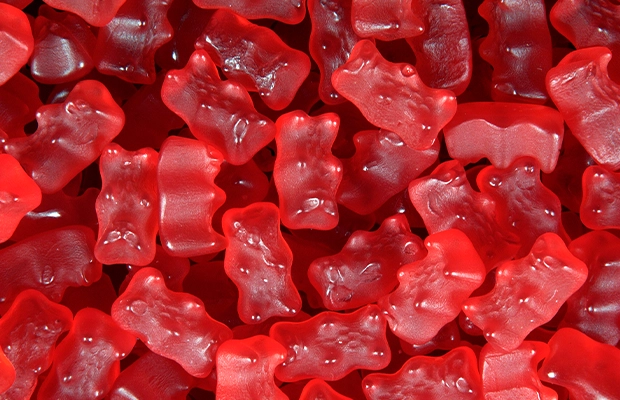
In a big move, the U.S. Food and Drug Administration (FDA) has officially banned the use of Red No. 3 (also known as erythrosine) in food products. For many parents, this decision might raise questions about what it means for the safety of their kids’ diets, especially when it comes to food coloring and artificial flavors. Here’s everything you need to know about this ban and how it could impact your family’s health.
What’s Red No. 3?
Red No. 3, a synthetic dye, has been used for decades to give food, cosmetics, and medications a bright red color. It’s been particularly popular in candy, baked goods, and beverages. While the dye is approved by the FDA for use in certain non-food products, it’s been a topic of concern for a long time due to potential health risks.
Why was Red No. 3 banned?
The FDA’s decision to ban Red No. 3 comes after ongoing research into its potential harmful effects. The primary concerns include:
- Cancer risk: Studies have suggested a possible link between Red No. 3 and cancer, particularly in animals.
- Hormonal disruption: Some studies have raised concerns that Red No. 3 might disrupt endocrine functions, which include controlling mood, growth and development, the way our organs work, metabolism, and reproduction. This is particularly concerning in kids, who may be more vulnerable to chemical exposure. Though human studies are still inconclusive, the potential risks have pushed health authorities to pay close attention.
- Behavioral effects: There have also been studies suggesting that artificial food colorings, including Red No. 3, could make hyperactivity and behavioral issues in children worse, particularly those with ADHD.
How can parents protect their children?
While the ban on Red No. 3 is a positive step toward reducing unnecessary chemical exposure, parents can take additional steps to protect their children’s health:
- Limit processed foods: Many processed foods, especially candy, drinks, and snack foods, contain artificial colorings. By focusing on whole foods—fruits, vegetables, whole grains, and lean proteins—you can reduce your child’s exposure to potentially harmful additives.
- Encourage homemade treats: Making snacks and desserts at home gives you full control over the ingredients. You can use natural food colorings or, better yet, skip the dyes altogether and let the natural colors of the ingredients shine through.
- Choose organic: Organic products are less likely to contain artificial food colorings or preservatives. While not all organic foods are free from synthetic dyes, many brands that emphasize health-consciousness choose to avoid these ingredients.
- Stay informed: Keep up with food safety news and stay informed about the latest studies on food additives. The FDA and other health organizations often release updates that can help guide your decisions about what’s best for your family.
The FDA’s ban on Red No. 3 marks an important step in addressing the potential risks of artificial food dyes. By focusing on natural, whole foods and avoiding heavily processed options, you can help ensure your family’s health and well-being.