
FDA Salad Dressing Recall Raises Salmonella Concerns
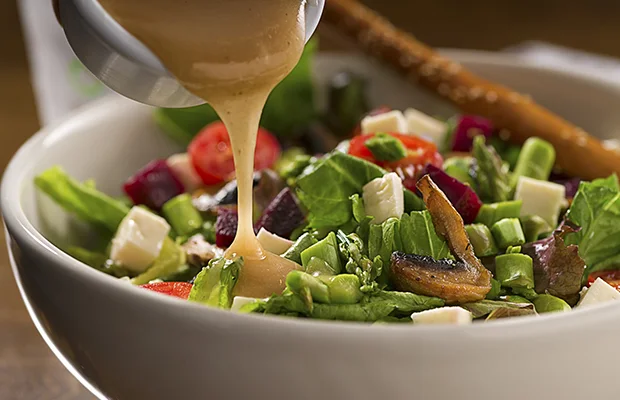
A salad dressing recall is putting Salmonella back in the spotlight after the U.S. Food and Drug Administration classified Salata Salad Kitchen Jalapeño Avocado Dressing as a Class I recall, the agency’s highest-risk category.
The recall involves dressing that may contain Salmonella-contaminated diced jalapeños. While no illnesses have been reported in connection with the dressing, the affected jalapeños were potentially linked to a multistate Salmonella outbreak investigation. The recalled dressing was distributed in Georgia, North Carolina, and Texas.
What’s Salmonella?
Salmonella is a type of bacteria that can cause a foodborne illness called salmonellosis. People can become infected by eating contaminated food or through contact with contaminated surfaces, animals, or other people.
Salmonella is commonly associated with raw or undercooked meat, eggs, and produce, but contaminated ingredients can make their way into a wide range of foods.
The recent outbreak linked to jalapeños got 488 people sick across 34 states and resulted in 65 hospitalizations before the Centers for Disease Control and Prevention declared the outbreak over on October 2.
What are Salmonella symptoms?
Salmonella symptoms can begin anywhere from six hours to six days after infection. Common symptoms include:
- Diarrhea, which may sometimes contain blood or mucus
- Stomach cramps, which can be severe
- Fever
- Nausea
- Vomiting
- Headache
- Loss of appetite
Most people recover within four to seven days. However, Salmonella infection can sometimes cause serious complications, particularly in young children, older adults, and people with weakened immune systems. In rare cases, the infection can spread beyond the intestines and into the bloodstream or other parts of the body.
What should you do if you think you have Salmonella?
If you develop symptoms that could be caused by Salmonella, call you doctor. Testing may be recommended to determine whether a foodborne illness is responsible.
Stay hydrated, especially if you have diarrhea or vomiting. Watch for signs of dehydration, including very dark urine, little or no urination, extreme thirst, dry mouth, dizziness, or lightheadedness.
Get medical help if diarrhea or vomiting lasts more than two days, you have bloody diarrhea or urine, your fever is higher than 102 degrees Fahrenheit, or you become dehydrated. Children can become dehydrated quickly.
Most people with Salmonella infection recover without antibiotics, although a doctor may prescribe them for people with severe illness or those at higher risk for complications. Talk with a healthcare professional before taking anti-diarrheal medicine.
If you have a recalled food at home, don’t eat it. Follow the recall instructions for returning or safely throwing it away, and clean surfaces, utensils, and containers that may have contacted the food to help prevent cross-contamination.
Good food safety habits — including washing hands, preventing cross-contamination, and paying attention to food recalls — can help reduce the risk of Salmonella and other foodborne illnesses.