
Five Essential Tips to Protect Your Family from Dengue
As Latin America experiences its worst dengue fever outbreak on record, climate experts warn that wet and warm summer patterns are creating ideal conditions for Aedes aegypti, the mosquitoes that carry the virus, to breed in regions with moderate climates.
What you need to know:
Dengue, a viral disease caused by four related serotypes, or virus types, spreads through mosquito bites. Its most common symptoms are fever with nausea, vomiting, rash, headache, eye pain, and joint and muscle pain.
As of May 24, the Florida Department of Health has reported 180 cases of dengue, with Miami-Dade County seeing the highest rates in the country at 74 cases so far. According to the health department, 54 of the cases were reported in people who had traveled to Cuba, and 38 in people who had traveled to Brazil.
How to protect your family:
Here are five essential tips to protect yourself and your loved ones from dengue at home or while traveling:
1. Eliminate standing water
Mosquitoes that transmit dengue breed in stagnant water. Regularly inspect your surroundings to eliminate potential breeding grounds:
- Empty containers: Dispose of old tires, cans, bottles, and other containers that can collect water.
- Clean gutters: Ensure your roof gutters are not clogged and free of standing water.
- Change water: Regularly change the water in pet dishes, birdbaths, and flower vases.
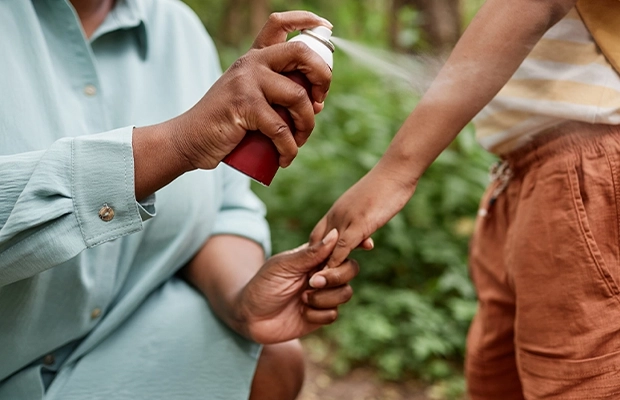
2. Use mosquito repellents
Applying mosquito repellent can significantly reduce your chances of getting bitten:
- DEET-based repellents: Use repellents containing DEET, picaridin, or oil of lemon eucalyptus on exposed skin.
- Clothing: Opt for clothing treated with permethrin for additional protection.
- Reapplication: Follow the instructions on the product label for reapplication to maintain effectiveness.
3. Install protective barriers
Physical barriers can help keep mosquitoes out of your living spaces:
- Screens: Install window and door screens to prevent mosquitoes from entering your home.
- Bed nets: Use mosquito nets over beds in areas where dengue is prevalent.
- Curtains and covers: Use mosquito-proof curtains, and cover open spaces, like water storage containers.
4. Wear protective clothing
Minimize skin exposure to reduce the risk of mosquito bites:
- Long sleeves and pants: Wear long-sleeved shirts and long pants, particularly during peak mosquito activity times (early morning and late afternoon).
- Light-colored clothing: Opt for light-colored clothing, as mosquitoes are more attracted to dark colors.
5. Stay informed and take preventive measures
Be aware of the dengue risk in your area and stay proactive:
- Monitor local news: Stay updated on dengue outbreaks, and follow public health advisories.
- Health measures: Seek medical advice promptly if you exhibit symptoms of dengue, such as high fever, severe headache, pain behind the eyes, joint and muscle pain, and rash.
By following these tips and encouraging others to do the same, you can contribute to reducing the spread of dengue, and protect yourself and your community from this potentially serious illness.