
Five Things to Know About Sunscreen Ahead of Summer Break
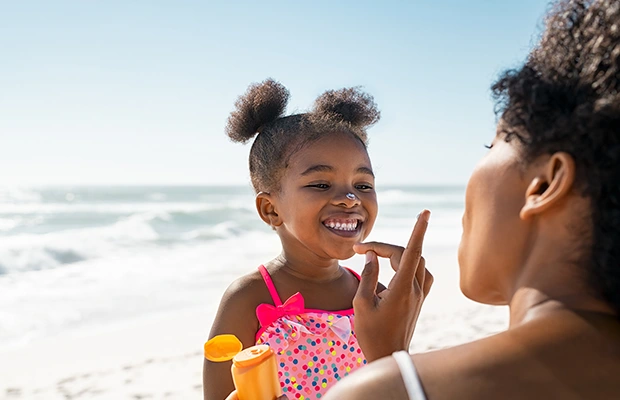
As summer approaches, ensuring your family’s skin is protected from the sun’s harmful rays should be a top priority, especially in the Sunshine State. Here are five things you need to know about sunscreen to keep you safe during summer adventures.
1. Broad-spectrum protection is essential
When selecting sunscreen, look for products labeled “broad-spectrum.” This means they protect against both UVA and UVB rays. UVA rays can age skin prematurely, while UVB rays can cause sunburn. Both types increase the risk of skin cancer, so comprehensive protection is crucial.
2. SPF matters, but so does application
The sun protection factor (SPF) indicates how well a sunscreen can protect the skin from UVB rays. For everyday use, an SPF of 30 is generally sufficient, but for extended outdoor activities, consider SPF 50. However, even the highest SPF won’t protect adequately if sunscreen isn’t applied correctly. Ensure you use a generous amount, and reapply at least every two hours if swimming or sweating.
3. Choose kid-friendly formulas
Children’s skin can be more sensitive than adults’, so opt for sunscreens specifically formulated for kids. These products are usually fragrance-free, hypoallergenic, and less likely to cause irritation. Mineral-based sunscreens containing zinc oxide or titanium dioxide are good choices, as they sit on top of the skin and reflect UV rays without being absorbed.
4. Water resistance is key
If your summer plans include swimming or water play, water-resistant sunscreen is necessary. Water-resistant does not mean waterproof, so it’s important to reapply as directed—typically every 40 to 80 minutes of swimming or sweating. This will help maintain effective protection even during aquatic activities.
5. Don’t rely solely on sunscreen
While sunscreen is a critical component of sun protection, it’s not enough on its own. Encourage your kids to wear protective clothing, such as long-sleeved shirts, wide-brimmed hats, and UV-blocking sunglasses. Seek shade during peak sun hours, usually between 10 a.m. and 4 p.m., and use umbrellas or tents to create sun-safe zones during outdoor events.
To learn more about sun safety during the summer months, visit injuryfreemiami.org – the Injury Free Coalition for Kids, at 305-243-9080.