
Colorado Football Head Coach Deion Sanders’ Blood Clot Surgery: What You Should Know
Dr. Bashar Obeidou
Former NFL star and University of Colorado football head coach Deion Sanders recently underwent surgery to remove blood clots in his left leg, drawing new attention to a serious but often overlooked condition that affects thousands of Americans each year. While Sanders is recovering, his case is a reminder that blood clots can strike anyone, and catching them early can save lives.
What Makes Blood Clots So Dangerous
A blood clot forms when blood thickens and sticks together inside a vein or artery. Sometimes that helps stop bleeding after an injury, but when a clot forms in the wrong place, it can block blood flow to vital organs.
If a clot breaks loose and travels, it can cause:
- Pulmonary embolism — a blockage in the lungs that can make breathing difficult
- Stroke — when a clot blocks blood flow to the brain
- Heart attack — when blood flow to the heart is stopped
“A blood clot that cuts off oxygen to the brain, lungs, or heart can become life-threatening within minutes,” said Bashar Obeidou, MD, an interventional cardiologist at Jackson South Medical Center. “Quick diagnosis is critical.”
Warning Signs to Watch For
Clots often develop in the legs, a condition known as deep vein thrombosis. Warning signs include:
- Swelling, pain, warmth, or redness in one leg
- Sudden shortness of breath or chest pain
- Rapid heartbeat or coughing up blood
“People sometimes think it’s just a pulled muscle or fatigue,” Dr. Obeidou said. “If pain or swelling doesn’t improve, it’s safest to get checked right away.”
What Increases Your Risk of Getting a Blood Clot
Risk factors include:
- Long periods of sitting or bedrest
- Recent surgery or injury
- Obesity or smoking
- Certain medications such as hormone therapy
- Family history of blood clots
Prevention and Early Action
You can reduce your risk by moving regularly, stretching during long travel, staying hydrated, maintaining a healthy weight, and managing chronic conditions like diabetes or heart disease.
If you notice symptoms, get medical attention immediately. Quick imaging and blood tests can confirm a clot, and treatments like blood thinners or clot removal can restore circulation before lasting damage occurs.
Blood clots can happen to anyone, but awareness and early action make all the difference. If something doesn’t feel right, listen to your body and call your doctor.
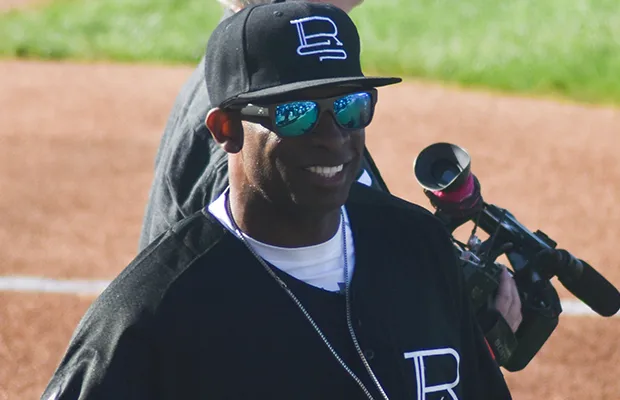
Image: Erik Drost, CC BY 2.0, via Wikimedia Commons
.jpg)
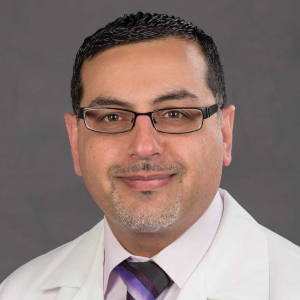
Bashar Obeidou, MD
Cardiovascular Disease, Interventional Cardiology
Jackson Medical Group
Jackson Heart Institute – Jackson South
9380 S.W. 150th St. Suite 295, Miami, Florida 33176