
Hiatal Hernia: Symptoms, Causes, and Treatment Options

A hiatal hernia is a common condition that can cause persistent heartburn, acid reflux, and discomfort after eating. While many people don’t realize they have one, recognizing the symptoms early can help you get the proper care and prevent complications.
What’s a Hiatal Hernia?
A hiatal hernia happens when the upper part of the stomach pushes up through the diaphragm into the chest. This can affect digestion and cause symptoms associated with gastroesophageal reflux disease (GERD).
There are two main types:
- Sliding Hiatal Hernia
- The most common type. The stomach and lower esophagus move into the chest, often leading to reflux, heartburn, and chest discomfort.
- Paraesophageal Hernia
- Less common, but more serious. The stomach can push against the esophagus and become trapped or twisted. This type requires monitoring and, in some cases, surgery.
Symptoms of a Hiatal Hernia
Some people have no symptoms at all, but common signs include:
- Frequent heartburn
- Acid reflux or regurgitation
- Difficulty swallowing
- Chest discomfort after meals
- Feeling unusually full
- Chronic burping or hiccups
- Shortness of breath
More serious symptoms, such as vomiting, severe chest or abdominal pain, or signs of bleeding require prompt medical attention.
What Causes a Hiatal Hernia?
Factors that may increase risk include:
- Aging
- Obesity
- Pregnancy
- Chronic coughing
- Heavy lifting or straining
- Injury or trauma
- A naturally larger diaphragm opening
- Heredity: Family history may also increase risk.
Hiatal Hernia Treatment Options
Lifestyle Changes
- Eat smaller meals
- Avoid late-night eating
- Elevate the head of the bed
- Avoid trigger foods
- Maintain a healthy weight
- Stop smoking
Medications
- Antacids
- H2 blockers
- Proton pump inhibitors (PPIs)
Long-term use of PPIs may lead to increased risk of bone fractures, nutrient deficiencies, and certain infections.
Surgical Treatment
Surgery may be recommended if symptoms persist or if you have a paraesophageal hernia. Minimally invasive procedures can reposition the stomach, strengthen the diaphragm opening, and reduce reflux in the long term.
When to Seek Care
Seek care if your symptoms continue even with medication. You should see a specialist if you prefer to avoid long-term PPI use or your symptoms affect your daily comfort.
Get Expert Hiatal Hernia Care at Jackson Health System
Jackson offers comprehensive digestive health and minimally invasive surgical care for patients managing hiatal hernias and GERD. Our specialists provide evaluations, diagnostic testing, and personalized treatment plans to relieve symptoms and help you get back to feeling your best.
To schedule an appointment or learn more, visit JacksonHealth.org.
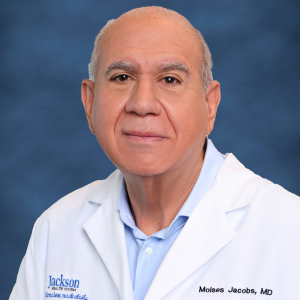
Moises Jacobs, MD
General Surgery
Jackson Medical Group
Bariatric Surgery Center – Jackson South
9380 S.W. 150th St Suite 250, Miami, Florida 33176