
High-Protein Doesn’t Always Mean Heart-Healthy
High-protein diets aren’t just a fitness trend anymore. From protein-packed breakfasts to shakes, bars, and snacks, Americans are eating more protein than ever. But when it comes to heart health, experts say the amount of protein you eat isn’t nearly as important as where it comes from.
Recent guidance from the American Heart Association emphasizes the importance of choosing minimally processed foods, lean proteins, and plant-based options while limiting foods high in saturated fat, sodium, and added sugars.
Here are six high-protein foods that support cardiovascular health, and three foods that may have a healthy reputation, but deserve a second look.
Heart-Healthy High-Protein Foods
- Beans and Lentils
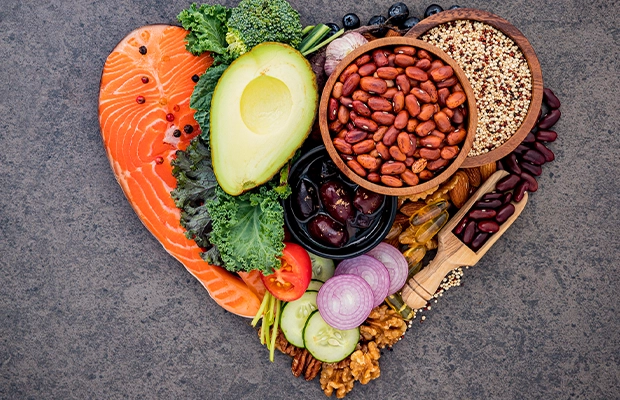
Packed with protein, fiber, and essential minerals, legumes are among the best foods for heart health. Their fiber content can help lower “bad” cholesterol and keep blood sugar levels steady. They also contain little to no saturated fat. Replace ground beef with beans or lentils in chili, tacos, or soups to boost fiber and reduce saturated fat. - Salmon and Other Fatty Fish
Salmon, sardines, and trout provide high-quality protein along with omega-3 fatty acids and healthy fats that help protect your heart and support healthy blood fat levels. Try to eat fatty fish at least twice a week and choose baked, grilled, or broiled preparations instead of fried. - Nuts
Almonds, walnuts, and pistachios provide plant protein, healthy fats, and fiber that support heart health. Although nuts are high in calories, they can be part of a heart-healthy diet. Keep portions to about 1 ounce (a small handful) and choose unsalted varieties whenever possible. - Skinless Chicken or Turkey
Lean poultry provides plenty of protein with significantly less saturated fat than many cuts of red meat. Remove the skin before cooking and season with herbs, spices, lemon, or garlic instead of high-sodium sauces. - Greek Yogurt
Plain Greek yogurt delivers more protein than traditional yogurt while providing calcium and probiotics. Choose plain, low-fat, or nonfat Greek yogurt instead of flavored varieties, which often contain added sugar. Add fresh fruit for natural sweetness. - Edamame
These young soybeans are packed with plant protein, fiber, and nutrients that support heart health. They’re also naturally low in saturated fat. Add edamame to salads, grain bowls, or stir-fries for an easy plant-based protein boost.
Three “Healthy” Foods That Could Be Hurting Your Heart
Protein Shakes and Protein Drinks
Not all protein is created equal. Many ready-to-drink protein shakes contain added sugar and highly processed ingredients that can make them a less healthy choice.
A better choice: Get your protein from whole foods whenever possible.
Granola
Granola seems like a heathy choice, but many store-bought varieties are loaded with added sugar, saturated fat, and calories while providing less fiber than people expect.
A better choice: Look for low-sugar varieties or make your own with oats, nuts, and seeds.
Coconut Oil
Although it’s often promoted as a natural alternative, coconut oil contains high levels of saturated fat, which can raise “bad” cholesterol when eaten regularly.
A better choice: Cook with olive or avocado oil, both of which are rich in heart-healthy unsaturated fats.
The Bottom Line
Eating for a healthy heart doesn’t have to be complicated. Fill your plate with vegetables, fruits, whole grains, and protein-rich foods. Limit ultra-processed foods and those high in saturated fat, sodium, and added sugar.
When shopping, don’t rely on the claims on the front of the package. Read the ingredient list and nutrition label to help you make healthier choices. Whole foods are often the best choice for both your heart and your overall health.