

High-Risk Pregnancy

Most pregnancies go smoothly, but sometimes health conditions before or during pregnancy can increase the risk of complications. When this happens, it’s called a high-risk pregnancy.
A high-risk pregnancy means there are certain factors, like existing medical conditions or new complications that require specialized care and closer monitoring. It doesn’t mean something will go wrong. It just means you and your baby will need extra support to stay healthy. With the right care team and a personalized plan, many people with high-risk pregnancies go on to have healthy, full-term babies.
What Does “High-Risk Pregnancy” Mean?
A pregnancy is considered high-risk when there’s a greater chance of complications for you or your baby. This may be because of a health condition you already have, something that develops during pregnancy, or other factors, like your age, carrying twins, or multiple babies.
If your provider tells you that your pregnancy is high-risk, it means you may need more checkups, tests, and support. Regular prenatal care is key. It helps catch any issues early and improves outcomes for both you and your baby.
You may also hear the term maternal-fetal medicine specialist. These are doctors who specialize in managing high-risk and complex pregnancies.
What Can Make a Pregnancy High-Risk?
Many different factors can raise the risk of pregnancy complications. Some start before pregnancy, and others develop along the way.
Preexisting health conditions include:
- High blood pressure
- Type 1 or Type 2 diabetes
- Obesity
- Kidney disease
- Autoimmune conditions like lupus
- Blood-clotting disorders
- Heart disease
Other risk factors include:
- Being younger than 17 or older than 35
- Smoking, drinking alcohol, or using drugs during pregnancy
- Carrying more than one baby
- A history of preterm birth, miscarriage, or stillbirth
- Certain infections or genetic conditions
- Carrying a smaller baby or abnormalities seen on ultrasound examination
Having one or more of these risk factors doesn’t mean you’ll have problems with your pregnancy, it just means your provider will keep a closer eye on you.
Conditions That Can Develop During Pregnancy
Some health conditions may develop for the first time during pregnancy. These include:
- Gestational diabetes: A type of diabetes that affects how your body uses sugar during pregnancy.
- Preeclampsia: High blood pressure with signs of organ stress, such as kidney or liver problems.
- Placenta previa: When the placenta covers all or part of the cervix.
- Preterm labor: When your body starts preparing for birth before 37 weeks.
These conditions may require more monitoring, medication, or early delivery. With proper care, most can be managed safely, and many people with high-risk pregnancies still have healthy outcomes.
Monitoring and Testing During a High-Risk Pregnancy
If you have a high-risk pregnancy, your care team may recommend:
- More frequent prenatal visits
- Special ultrasounds to monitor your baby’s growth and position
- Non-stress tests to track your baby’s heart rate and movement
- Blood tests to monitor your health
- Genetic screening or counseling to check for inherited conditions
You may also be referred to a maternal-fetal medicine specialist, especially if you’re carrying multiple babies or have a complex condition. These extra checkups allow your care team to act quickly if anything changes.
What If You’re Carrying Multiples?
Carrying more than one baby can be exciting, and a little overwhelming. Twin and triplet pregnancies are more likely to involve complications like early delivery, preeclampsia, and gestational diabetes.
If you’re expecting multiple babies, you’ll likely have more prenatal appointments and ultrasounds. Your provider will monitor each baby’s development and help you plan a safe delivery, whether vaginal or C-section.
Your Next Step
If you’ve been told your pregnancy is high-risk, or if you think you may be at risk, it’s important to find a care team with the right expertise. At Jackson, our maternal-fetal medicine specialists provide advanced care for women experiencing high-risk pregnancies, complications, or health conditions. We offer expert diagnostic testing, ongoing monitoring, and personalized care to help ensure the best possible outcome for you and your baby.
Learn more about our High-Risk Pregnancy Care and Maternal-Fetal Medicine services.
You don’t have to navigate a high-risk pregnancy alone. Jackson is here for you every step of the way.
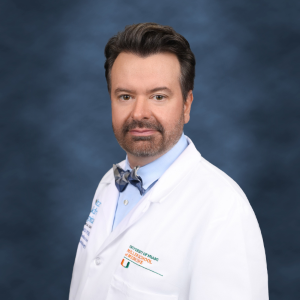
Rodrigo Ruano, MD, PhD
Maternal-Fetal Medicine, Obstetrics & Gynecology
Dept. OBGYN & Reproductive Science – Maternal-Fetal Div
1150 NW 14th Street Miami, Florida 33136
Doral Commons
7400 N.W. 104th Avenue Suite D103, Doral, Florida 33178
UHealth Jackson Fetal Care Center
1611 NW 12 Avenue, East Tower, 7A, Holtz Children’s Hospital Miami, Florida 33136
UHealth Kendall
8932 S.W. 97th Avenue Suite L, Miami, Florida 33177