
Hilary Swank’s Pregnancy at 52 Raises Questions About Having a Baby Later in Life

When actress Hilary Swank recently announced she was expecting at age 52, it brought attention to pregnancy later in life.
Many women have healthy pregnancies in their late 30s and 40s. However, fertility declines with age, and some pregnancy complications become more likely. Understanding the risks and getting appropriate medical care can help women make informed choices.
How Does Age Affect Pregnancy?
As women get older, pregnancy can be harder to achieve and their risk of certain conditions increases. Doctors have identified age 35 as the point when some risks increase, but age alone doesn’t mean a pregnancy will have complications.
What Are the Risks of Pregnancy Later in Life?
Risks that become more common include high blood pressure and preeclampsia, gestational diabetes, miscarriage, premature birth, chromosome conditions, and cesarean birth. Individual risk depends on a person’s health, medical history, and pregnancy.
How Can Women Support a Healthy Pregnancy?
If you’re thinking about pregnancy, talk with your doctor before trying to conceive. They can review your health, medications, and pregnancy history to discuss whether a fertility specialist may help. If you’re already pregnant, schedule prenatal care as soon as possible.
Your care team may discuss screening or diagnostic tests for chromosome conditions and additional visits to monitor your health and your baby’s growth. Follow your doctor’s guidance for managing conditions such as high blood pressure or diabetes. Healthy habits, including balanced meals, a prenatal vitamin with folic acid as recommended, and avoiding alcohol, smoking, and drugs during pregnancy can also support your health.
What About Pregnancy After Age 50?
Pregnancy at age 50 or older is rare and requires careful medical planning. Natural conception becomes very unlikely as women approach menopause. Some women who conceive later in life use fertility treatments, such as donor eggs or embryos. Options depend on their health and individual circumstances.
Pregnancy at this age can carry higher risks, including high blood pressure, gestational diabetes, miscarriage, and premature birth. A woman’s overall health matters alongside her ability to conceive.
Rodrigo Ruano, MD, PhD, director of the UHealth Jackson Fetal Care Center and division chief of UHealth Jackson Maternal-Fetal Medicine, and his team provide prenatal care to women age 50 and older and are studying pregnancy outcomes in this age group.
“Our team has experience with the prenatal care of women age 50 and older, and we are conducting a review of pregnancy outcomes in this group,” said Dr. Ruano. “We plan to present our findings at the 2026 Annual Meeting of The Menopause Society in San Diego. I refer to pregnancy in women age 50 and older as ‘perimenopausal pregnancy.’”
Women considering pregnancy after 50 should speak with a healthcare professional to review health risks and options.
The Bottom Line
Having a baby later in life is possible, but pregnancy can become more complex with age. Planning ahead, understanding potential risks, and receiving regular medical care can help women make informed choices.
From planning and prenatal visits to delivery and postpartum support, Jackson Health System offers maternity care to help women navigate pregnancy. For more information visit https://maternity.jacksonhealth.org/
Image credit: Dick Thomas Johnson from Tokyo, Japan, CC BY 2.0, via Wikimedia Commons
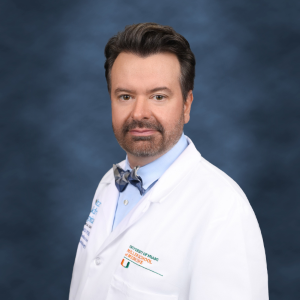
Rodrigo Ruano, MD, PhD
Maternal-Fetal Medicine, Obstetrics & Gynecology
Dept. OBGYN & Reproductive Science – Maternal-Fetal Div
1150 NW 14th Street Miami, Florida 33136
Doral Commons
7400 N.W. 104th Avenue Suite D103, Doral, Florida 33178
UHealth Jackson Fetal Care Center
1611 NW 12 Avenue, East Tower, 7A, Holtz Children’s Hospital Miami, Florida 33136
UHealth Kendall
8932 S.W. 97th Avenue Suite L, Miami, Florida 33177