
How Astronauts Prepare for Missions Like Artemis II and How Space Affects the Body
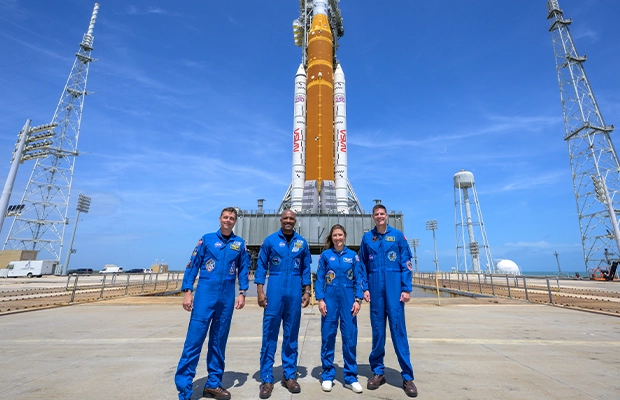
Space travel is exciting, but it can put stress on the body. And with NASA’s Artemis missions sending humans back to the moon, more people are asking: What really happens to astronauts in space?
From muscle loss to changes in balance and bone strength, the Artemis crew is helping us better understand how the body reacts, and what it takes to stay healthy beyond earth.
How Astronauts Prepare for Space
Astronauts train for years before a mission.
They focus on:
- Physical fitness: Strength and endurance training help reduce muscle and bone loss.
- Simulations: Underwater and virtual training prepare them for weightlessness.
- Medical training: Astronauts learn to handle basic health issues in space.
- Mental preparation: They’re trained to manage stress, isolation, and time away from earth.
What Happens to the Body in Space?
The body changes quickly in space. Common effects include:
- Muscle and bone loss: Without gravity, muscles and bones weaken over time. Astronauts exercise daily to help prevent this.
- Fluid shifts: Fluids move toward the upper body. This can cause a puffy face and pressure in the head.
- Vision changes: Some astronauts experience blurred vision due to pressure changes in the body.
- Weakened immune system: The immune system may not work as well, making it harder to fight illness.
- Radiation exposure: Astronauts are exposed to higher levels of radiation, which may increase long-term health risks.
- Balance issues after return: It can take time to adjust back to gravity. Some astronauts feel dizzy or unsteady.
Research in space helps scientists understand how the body responds to extreme conditions. This work supports advances in bone health, muscle loss, and more.
Astronauts train extensively for space, but the body still goes through major changes. Understanding these effects helps improve safety for future missions and supports better health care here on earth.
NASA Headquarters / NASA/Bill Ingalls, Public domain, via Wikimedia Commons
.jpg)