
How Do Natural Disasters Like Wildfires Impact Mental Health?

The Los Angeles wildfires have devastated numerous people, with many losing their homes, communities, and loved ones. Feelings of distress have swept across California and throughout the country as we watch the tragedy unfold on the news and social media.
South Florida residents aren’t strangers to natural disasters, and know the deep impact they can have on physical and mental health.
Natural disasters, like wildfires, can escalate feelings of fear, shock, horror, grief, and sadness, which can last even when life returns to normal. Because of this, natural disasters increase both the risk and prevalence of many mental health disorders, like depression, anxiety, and post-traumatic stress disorder (PTSD). If you or a loved one are struggling with mental health during or after a natural disaster, here are a few strategies to help you cope:
- As soon as possible, return to a routine. This is especially important for kids.
- Focus on rest, sleep, and enjoyable activities.
- Have open discussions with friends and loved ones about how you’re feeling during this time.
- Balance/limit news and social media coverage throughout the day. For instance, set aside a few minutes during the day to tune into the latest information.
- Help those in need by making a donation, joining support groups, or reaching out to anyone who may be directly affected.
- If you or a loved one are experiencing significant and persistent changes in mood, sleep, or appetite, and are seeing an increase in anxiety or distress, contact a licensed mental health professional.
Natural disasters are devastating for those directly and indirectly affected. Community, support, and self-care are critical during these times.
Resources
Disaster Distress Helpline: Offers 24/7 support from trained counselors for those experiencing emotional distress related to a disaster. Call or text 1-800-985-5990.
National Suicide and Crisis Life: Offers 24/7 support from trained crisis counselors for anyone experiencing suicidal or emotional distress. Call or text 988.
National Traumatic Stress Network: Offers information on how to support traumatized children and adolescents. Visit https://nctsn.org/ to learn more.
Jackson Behavioral Health Hospital: Call 305-355-7147 or visit JacksonBehavioralHealth.org to learn more about Jackson’s mental health services.
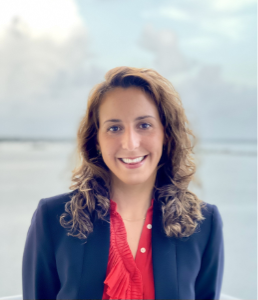
Natasha Poulopoulos, PhD
Clinical Psychology, Psychology
Natasha Poulopoulos
1695 NW 9TH AVENUE MIAMI, FL 33136