
How to Stay Protected From Measles While Traveling
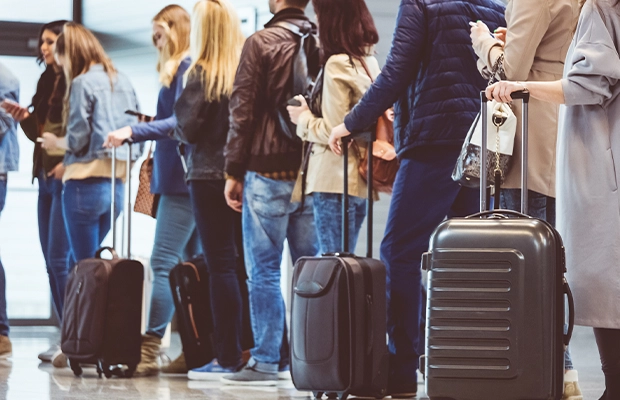
As fall arrives, so does the holiday travel season. A surge in measles cases across the U.S. serves as a critical reminder: keeping yourself and your loved ones protected is essential before you pack your bags.
The best way to protect yourself from measles while traveling is to confirm you’re vaccinated before you go. Two doses of the measles, mumps, and rubella (MMR) vaccine are about 97 percent effective at preventing measles, and one dose is about 93 percent effective. With cases reported across the country, including a confirmed case in Naples, Florida, checking your vaccination status before you pack is a smart step for travelers.
Why does travel raise your risk of measles?
Measles is one of the most contagious viruses in the world. It spreads through the air when an infected person breathes, coughs, or sneezes, and you can catch it just by entering a room up to two hours after that person has left. Airports, planes, and crowded attractions put you in shared air with many strangers. An infected person can also spread the virus up to four days before a rash appears, so no one may know they’re sick.
Do adults need a measles booster before traveling?
Most adults who received two MMR doses as children are likely protected for life. Your situation may differ if:
- You were vaccinated between 1968 and 1989. You likely received one dose. The CDC recommends an additional dose if you’re traveling internationally or live in a community with an outbreak.
- You were vaccinated between 1963 and 1968. You may have received an earlier, less effective version, and the CDC recommends one dose of the current MMR vaccine.
- You were born before 1957. You may have natural immunity from past exposure.
- You’re not sure. Ask your doctor about checking your records or testing your immunity.
What about traveling with children?
Children should receive their first MMR dose at 12 to 15 months and their second at 4 to 6 years. Kids younger than 5 face a higher risk of serious complications like pneumonia and brain swelling, as do infants, pregnant women, and people with weakened immune systems. If your child isn’t old enough for the vaccine, avoid anyone known or suspected to have measles, and talk with your pediatrician before you travel.
What are the symptoms of measles?
Symptoms usually start eight to 14 days after exposure (with a range of seven to 21), so you could feel fine on your trip and get sick after you’re home. Early signs include high fever, cough, runny nose, and red or watery eyes. A rash typically follows three to five days later, starting on the face and spreading downward. Get medical attention right away for a fever that won’t go away, difficulty breathing, extreme weakness, or decreased urination.
What should you do if you think you were exposed?
Call your doctor before going into a medical office so the care team can take precautions to protect other patients. Stay home and avoid public places until a doctor clears you. There’s no specific antiviral treatment for measles, so care focuses on rest, fluids, and fever-reducing medication as directed by your doctor.
Get measles-ready before your next trip
Vaccination is your strongest protection, and it also helps protect people around you. Not sure if you’re up to date, talk to your doctor today.