
Hurricane Season in Miami: Be Ready with the Medical Supplies You Need
Bridget Pelaez, MSN, MA, FNP-BC, EMT-P, CEM
Senior Director, Disaster and Emergency Preparedness
Jackson Health System
Hurricane season in Miami runs from June 1 through November 30, and for those with ongoing medical needs, preparation is more than just boarding up windows or stocking up on bottled water. If you or a loved one depends on oxygen, powered medical equipment, or prescription medications, taking early steps to ensure continuity of care could be life-saving.
The unpredictable nature of hurricanes means power outages, limited access to pharmacies, and evacuation orders can happen with little notice. That’s why it’s critical to make a personalized medical emergency plan. Below, we’ll walk through key considerations to help you stay healthy and safe this hurricane season.
1. Prepare a Medical Go-Kit
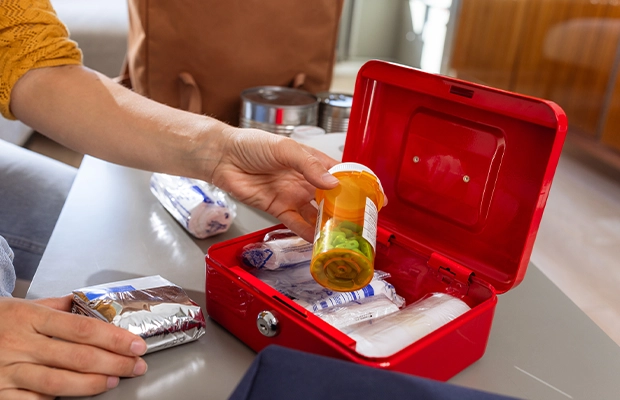
A well-stocked emergency medical kit should include:
- A seven to 14-day supply of all prescription medications.
- Copies of prescriptions and a list of all current medications and dosages.
- Over-the-counter medications you rely on (e.g., pain relievers, allergy medications).
- Medical documents including insurance cards, vaccination records, and physician contact information.
- Backup batteries or chargers for medical devices.
- A first-aid kit with basic supplies.
2. Plan Ahead for Power-Dependent Equipment
If you use oxygen, dialysis, CPAP, nebulizers, or other electric-powered medical devices, losing electricity can quickly become an emergency. Contact your equipment supplier before the storm hits to discuss backup options.
Many companies provide portable oxygen tanks or battery-operated devices. Keep in mind:
- Store enough battery power to last at least 72 hours.
- Know how to manually operate equipment if possible.
- Register with Florida Power & Light’s (FPL) Medical Essential Service program—though this doesn’t guarantee power restoration priority, it puts you on record for special assistance.
3. Refill Prescriptions Early
Don’t wait until the last minute. In Florida, once a state of emergency is declared, you’re allowed by law to refill prescriptions early—even if they’re not due. Make sure to:
- Contact your pharmacy to arrange early refills.
- Store medications in a waterproof, labeled container.
- Keep them cool, dry, and if refrigeration is required, ask your pharmacist about alternatives.
4. Evacuation Preparedness
If you or a loved one needs special assistance during evacuation:
- Register in advance with your county’s Emergency Management Office for access to special needs shelters.
- For Miami-Dade County Residents, you may register at www.miamidade.gov/Emergency under “Emergency & Evacuation Assistance Program (EEAP.)”
- For Broward County Residents, you may register at www.broward.org/Emergency under “Special Needs Residents.”
- These shelters are equipped to accommodate people with medical conditions and provide basic medical oversight.
- Bring your own medical supplies, medications, and disaster supplies even if you’re headed to a shelter.
Quick Checklist for Medical Needs During Hurricane Season:
If You Use Oxygen:
- Fully charged portable tanks or battery-powered concentrators
- Backup manual oxygen delivery system
- Contact information for your oxygen provider
If You Use other Medical Machinery:
- Backup batteries/chargers
- Instructions for manual operation (if possible)
- Power outage plan with your provider
For Prescription Medications:
- Seven to 14-day supply; be sure to speak with your providers about your refills
- Copies of prescriptions
- Cool storage if required
The bottom line: don’t let the storm catch you unprepared. A few hours of planning today can protect your health and peace of mind tomorrow. Stay informed, stay connected, and most importantly—stay safe.
You can find the most updated Severe Weather and Emergency Readiness Guide at: https://www.miamidade.gov/hurricane/library/guide-to-hurricane-readiness.pdf