
Kratom: When “Natural” Doesn’t Mean Safe
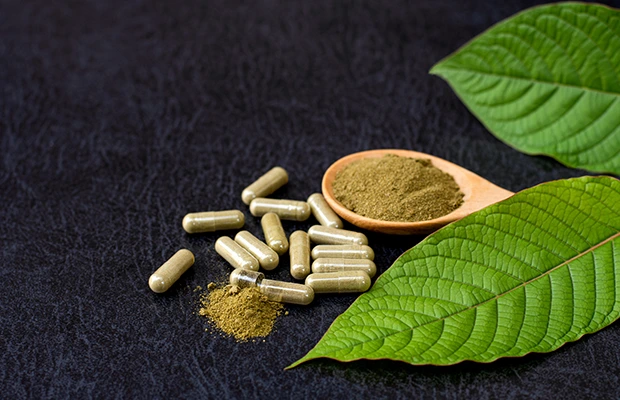
Kratom, a plant-based supplement, is often marketed as a natural fix for pain, anxiety, or low energy. And while it may grow on trees, that doesn’t mean it’s harmless. The truth is, kratom affects the brain much like opioids do, and that’s where the trouble begins.
What’s kratom, and why are people using it?
Kratom comes from a tree native to Southeast Asia. For centuries, people have used its leaves for an energy boost and pain relief. Today, it’s sold in powder, capsule, or tea form, often with labels promising “natural wellness.”
In small doses, kratom can feel like a strong cup of coffee. In larger doses, it acts more like a sedative, dulling pain and slowing everything down. That’s because kratom’s active compounds target the same receptors in your brain as opioids, which are highly addictive. It’s one reason why some users swear by it and why others can’t stop taking it.
Addiction in Disguise
Kratom’s biggest selling point is also its biggest marketing trap. Because it’s noted as “natural,” many people will use it as an alternative to an opioid (oxycodone, morphine, etc.) for pain or to taper off opioids altogether. Data is mixed, but has shown around a 50 percent addiction rate among kratom users. Many start off looking for relief, but may develop tolerance, which can lead to an increase in dosage. Before long, they’re hooked.
Kratom withdrawal symptoms can include:
- Anxiety or mood swings
- Insomnia
- Nausea or vomiting
- Muscle aches
- Fatigue and irritability
It can go from “just something to take the edge off” to “I can’t function without it” faster than you’d expect.
The Side Effects Nobody Tells You About
Beyond dependence, kratom can cause serious health problems, especially when taken in high doses or mixed with alcohol or medications. Reported side effects include:
Commonly experienced:
- Nausea/vomiting
- Itchiness
- Dizziness
- Constipation
- Drowsiness
- Numbness in mouth or throat
More serious:
- Liver damage
- Coma
- Seizure
- Low thyroid disease
- Death
U.S. poison control centers reported a 50 percent increase in calls in the last 10 years, with the worse outcomes being observed in patients taking multiple substances that include kratom.
And since kratom isn’t regulated, what you buy may not be what you get. The strength, purity, and safety of the product are often unknown.
Looking for Relief? Here Are Safer, Smarter Options
There’s no magic leaf for pain or anxiety, but there are safer alternatives that don’t come with a list of side effects.
For pain relief:
- Turmeric (anti-inflammatory)
- Physical therapy
- CBD products from trusted brands
- Ice/heat
- Massage
- Acupuncture
For anxiety and stress:
- Meditation or breathwork
- Cognitive behavioral therapy (CBT)
- Yoga
- Music therapy
- Reducing blue light exposure
For energy and focus:
- Green tea or matcha
- Daily movement or short workouts
- Consistent sleep and hydration
These options may take more time and patience, but they’re not habit-forming, and they won’t send your liver into panic mode.
Final Thoughts: Leaf It Out
While the idea of a plant-based fix sounds appealing, kratom’s effects on the body and brain are serious and often unpredictable.
If you’re feeling worn down, in pain, or anxious, talk to your doctor. There are better ways to feel better, and they don’t come with withdrawal symptoms, health risks, or a warning label disguised as fine print.