
Let’s Talk Gut Health: National Nutrition Month
By: Gisela Alvarez, registered dietician at Jackson Memorial Medical Center
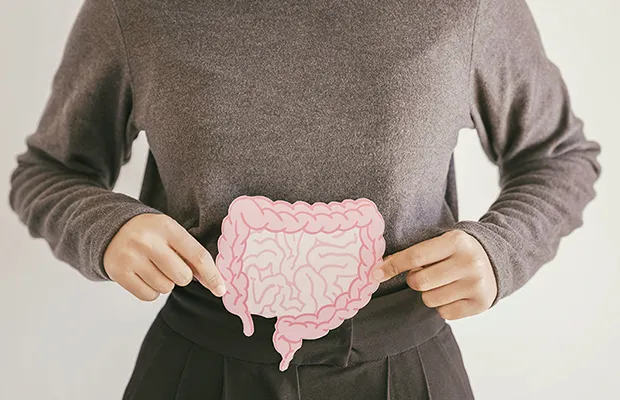
March is National Nutrition Month, and some of the ways you can better your nutrition is by focusing on your gut health and following a low-FODMAP diet.
Around 10 to 15 percent of the U.S. population is estimated to have irritable bowel syndrome (IBS), a common gastrointestinal disorder that leads to symptoms like stomach pain, bloating, and gassing, as well as changes in bowel movements (constipation, diarrhea, or both).
Most treatment involves changes in lifestyle as IBS seems to affect the gut-brain interaction. Changes such as managing and decreasing stress levels, implementing relaxation techniques, regular exercise, staying hydrated, and changing your diet can help manage IBS.
A low-FODMAP diet is a common recommendation you might hear from your healthcare providers. FODMAPs are a group of small-chain carbohydrates (sugars and fibers) that aren’t well absorbed in the small intestine, leading to altered gastrointestinal function. FODMAP stands for fermentable oligosaccharides, disaccharides, monosaccharides, and polyols. FODMAPs can be found in common foods, such as apples, garlic, and honey. Following a low-FODMAP diet may help decrease symptoms and better manage IBS.
The low-FODMAP diet consists of three phases: elimination, reintroduction, and personalization. You eliminate high-FODMAP foods over the span of roughly two to six weeks, and then gradually reintroduce them to see which high-FODMAP foods are triggering.
High-FODMAP foods, just like any carbohydrate, are food for your gut bacteria, but they produce gas that leads to bloating, cramping, and abdominal pain in those with a sensitive gastrointestinal tract. They can also lead to changes in bowel patterns as they draw water into the intestines.
Some foods to consider eliminating in a low-FODMAP diet include fruits like pears, apples, and mangoes; and vegetables like onion, garlic, mushrooms, and peas. Other foods worth noting include dairy foods and foods with sugar alcohol additives, such as sorbitol or maltitol. Easy swaps include marinating foods with garlic-infused oil instead of raw garlic, opting for almond milk instead of cow’s milk, and having bananas or honeydew melons instead of apples and pears.
The low-FODMAP diet is a short-term diet to learn about foods, your body’s reaction to them, and assessing tolerance rather than a diet you stay on forever. With time, tolerance might change and foods you weren’t able to eat before might be well tolerated now. Consider meeting with a dietitian to help guide you through the process.