
Love your Love Muscle During American Heart Month
By: Gisela Alvarez, RDN, LDN
February is American Heart Month, a time dedicated to raising awareness about cardiovascular wellness and empowering everyone to prioritize their heart health.
Nutrition plays a key role in supporting a healthy heart. Our dietary patterns and lifestyle choices can have an impact on our blood pressure, cholesterol levels, and the management and prevention of cardiovascular conditions. By reading nutrition labels and knowing what foods have a positive impact on your heart health, you can make more conscious food choices.
What are some nutrients that can help keep your heart healthy?
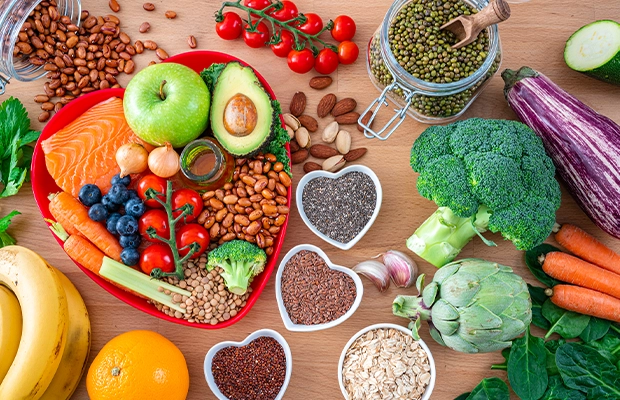
- Omega-3 fatty acids: Omega-3 fatty acids, particularly EPA and DHA found in fatty fish like salmon, trout, and mackerel, play a crucial role in reducing inflammation and lowering triglyceride levels. For those who may not consume fish regularly, incorporating plant-based sources, such as flaxseeds, chia seeds, and walnuts, can provide a boost of heart-healthy omega-3s. You can also talk to your doctor about supplementation.
- Fiber: Adequate dietary fiber intake from fruits, vegetables, legumes, and whole grains is associated with a reduced risk of heart disease. Fiber helps to lower cholesterol levels and regulate blood sugar levels, making it an essential nutrient for maintaining heart health.
- Potassium: Potassium is a mineral that helps to regulate blood pressure by counteracting the effects of sodium. Foods rich in potassium include bananas, sweet potatoes, spinach, and yogurt. Incorporating potassium-rich foods into your diet can help support overall cardiovascular function.
How can I find heart-healthy foods when grocery shopping?
Navigating the grocery aisles can be overwhelming, but looking at the sodium, fiber, and fat content of foods can help you make heart-healthy and nutritious choices.
- Sodium: Aim to choose products with lower sodium levels, as high sodium intake is linked to hypertension and heart disease. Grab products labeled “low sodium” or “no added salt” whenever possible. If your doctor asks you to be on a low-sodium diet, opt for foods with 140 milligrams of sodium or less per serving.
- Fiber: Adequate dietary fiber intake is crucial for heart and gastrointestinal health. Look for products with 2 grams of fiber or more per serving.
- Fat: Limit the consumption of foods high in saturated and trans fats, as these can raise LDL cholesterol levels and increase the risk of heart disease. Opt for products with less than 5 grams of total fat, 2 grams or less of saturated fat, and 0 grams of trans fats.
My doctor told me to follow a Mediterranean diet or DASH diet, what should I do?
The Mediterranean and dietary approaches to stop hypertension (DASH) diets are two well-established dietary patterns known for their heart-protective benefits. Here’s what you should know about the similarities between both:
- Emphasis on plant-based foods: Both diets prioritize fruits, vegetables, whole grains, legumes, nuts, and seeds as the foundation of a heart-healthy eating pattern. These nutrient-dense foods provide essential vitamins, minerals, antioxidants, and fiber to support cardiovascular health.
- Healthy fats: Both the Mediterranean and DASH diets advocate for the inclusion of heart-healthy fats, such as those found in olive oil, avocados, nuts, and fatty fish. These fats help to reduce inflammation and improve overall heart health.
- Moderate consumption of animal products: While both diets allow for moderate consumption of lean proteins, such as poultry, fish, and dairy, they emphasize the use of plant-based sources for protein.
Try to adapt these principles to your own diet if strictly following each diet sounds tedious or confusing. What are some areas where you can choose more whole foods? Where can you add more healthy fats and fiber? Can you opt for plant-based proteins once or twice a week to start?
Prioritizing heart health involves incorporating nutrient-rich foods and adopting dietary patterns that promote cardiovascular wellness. By focusing on key nutrients, making informed food choices, and embracing the principles of heart-healthy diets, you can take proactive steps toward optimizing your heart health and reducing your risk of cardiovascular disease.