
Lupita Nyong’o Lives with More Than 50 Uterine Fibroids: What You Should Know

Actress Lupita Nyong’o is living with a painful condition called uterine fibroids. Nyong’o, alongside women across the world, are sharing their stories on living with the condition and what to expect if you have them.
What’re Uterine Fibroids?
Uterine fibroids, also called myomas, are non-cancerous muscular tumors that grow in the wall of the uterus.
Doctors typically use fruits to describe the sizes of the fibroids, ranging from the size of a seed to a large melon. Women frequently develop uterine fibroids in their reproductive years – usually during their 30s, 40s, and 50s – and they’re often discovered during a routine pelvic exam or imaging test.
While uterine fibroids don’t prevent pregnancy, they can affect fertility and bring complications during pregnancy.
What’re the Symptoms of Uterine Fibroids?
Everyone is different and may experience varying levels of severity of symptoms with uterine fibroids. Some women may not experience any symptoms and not know they’re living with the condition.
Common symptoms include:
- Heavy vaginal bleeding during periods
- Bloating
- Enlarged abdomen
- Pain during sex
- Bleeding between periods
- Constipation or pressure on the rectum
- Long-term vaginal discharge
- Pelvic pressure
- Pelvic and back pain
- Frequent urination or the inability to urinate
- Infertility or miscarriage
Treatment Options for Uterine Fibroids
Treatment varies, depending on the size, location, symptoms, and number of fibroids an individual is living with. Also, the treatment varies depending on the woman’s age and desires for future fertility.
If a woman has no symptoms, she may not need any treatment. On the other hand, if she’s experiencing severe symptoms, there are several treatment options available, including:
- Over-the-counter pain medications (Ibuprofen)
- Iron supplements to help with anemia from excess bleeding
- Birth control pills to help with heavy bleeding
- Gonadotropin-releasing hormone (GnRH) medication – a medication that controls, reduces, or stops the production of estrogen, which helps shrink fibroids.
- Uterine Fibroid Embolization, a non-surgical option that preserves the uterus.
- Radiofrequency ablation, a minimally invasive surgical option.
- Surgery to remove fibroids, which includes myomectomy (removal of the fibroids, preserving the capacity to get pregnant) or hysterectomy (removes the uterus completely, ultimately preventing future pregnancies).
If you’re experiencing any symptoms related to uterine fibroids, help is available. You can make an appointment with one of our gynecologists (OB/GYN) by visiting maternity.jacksonhealth.org.
Image: Gage Skidmore from Peoria, AZ, United States of America, CC BY-SA 2.0, via Wikimedia Commons
.jpg)

Jose Carugno, MD
Obstetrics & Gynecology
UHealth Lennar
5555 Ponce De Leon Boulevard Fourth Floor, Coral Gables, Florida 33146
UHealth Tower
1321 N.W. 14th Street Suite 201, Miami, Florida 33136
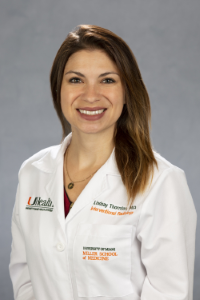
Lindsay Thornton, MD
Interventional Radiology and Diagnostic Radiology
Desai Sethi Medical Center
1150 N.W. 14th St. Suite 702, Miami, Florida 33136