
Malcolm-Jamal Warner’s Death Emphasizes the Importance of Swimming Safety for All Ages
A recent tragedy involving actor Malcolm-Jamal Warner has brought attention to the importance of water safety.Warner, best known for his role as Theo Huxtable on The Cosby Show, tragically drowned while swimming at a beach in Costa Rica. His death is a reminder that even confident swimmers can be caught off guard by water hazards. Every year, countless lives are lost to preventable drowning incidents. Despite being a source of joy, exercise, and family recreation, swimming carries real risks.
Understanding the Ocean’s Power: Rip Currents and Open-Water Risks
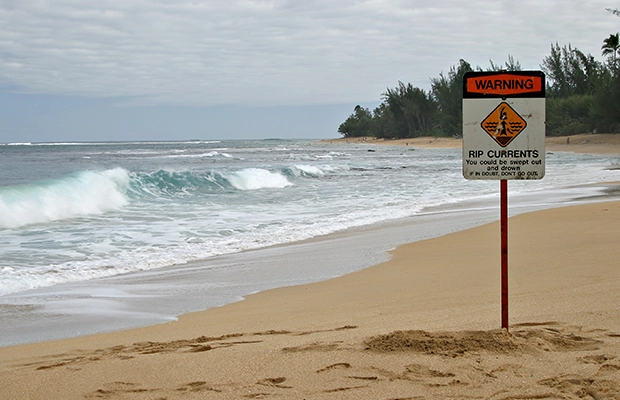
The ocean can appear calm and inviting, but beneath the surface, powerful forces may pose significant dangers. One of the most hazardous dangers is the rip current. These fast-moving channels of water can quickly carry swimmers into deeper waters. Rip currents often form near sandbars, piers, or breaks in the wave pattern. They can be difficult to detect, and dangerous for swimmers of all levels.
Ocean Safety Tips
- Only swim in designated areas that are supervised by lifeguards.
- Learn how to recognize rip currents by looking for water that appears darker, has fewer breaking waves, or shows signs of debris moving out to sea.
- If you’re caught in a rip current, remain calm and swim parallel to the shore.
- Never swim alone, and avoid remote or unfamiliar beaches.
Pool Safety: Risks Closer to Home
Swimming pools may seem safer than the ocean, but they present their own risks. Drownings in pools are often silent and can happen within seconds. Children are particularly vulnerable, but accidents also occur among teens and adults due to slips, fatigue, or medical emergencies.
Important Pool Safety Practices:
- Always supervise swimmers closely, regardless of age or ability.
- Install barriers, gates, and pool alarms in residential settings.
- Ensure that all household members learn how to swim.
- Eliminate distractions during swim time.
- Learn CPR and basic first aid. Immediate response can save lives during emergencies.
Why Swimming Safety Is a Public Health Concern
From a healthcare perspective, drowning is a preventable cause of injury and death that impacts people across all age groups. It’s a leading cause of accidental death among children under the age of five, but also affects adults with medical conditions, limited mobility, or overconfidence in swimming ability.
Water safety should be seen as a health responsibility, not just a seasonal precaution. Proper education, preparedness, and supervision are key to preventing tragedies.
Takeaways for Families, Individuals, and Communities
- Make swimming lessons a priority for all ages.
- Stay informed about local water conditions, especially when visiting natural bodies of water.
- Supervise swimmers closely, and don’t make assumptions about skill level.
- Practice emergency response skills and keep rescue equipment accessible.
- Engage in conversations about water safety as part of family and community health.
Swimming offers numerous physical and emotional benefits. It promotes cardiovascular health, reduces stress, and strengthens family bonds. To fully enjoy these benefits, we must approach water with knowledge, respect, and care. Through action and education, we can help build a safer future for everyone.