
Measles Case Confirmed in Naples, Florida: What Parents Need to Know to Keep Their Family Safe
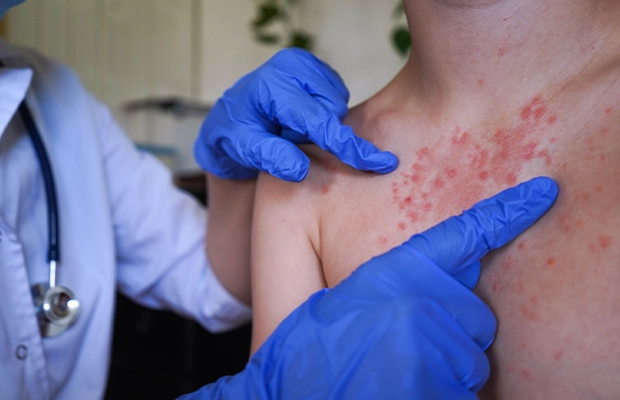
This month, health officials confirmed a measles case in Naples, Florida. This comes amid ongoing measles activity across parts of the U.S., according to the Centers for Disease Control and Prevention (CDC).
While the confirmed case is in Collier County, increased travel and movement across South Florida mean Miami-Dade County parents should stay informed and proactive. Here’s what you need to know to protect your family.
1. What’s measles, and what risks does it pose to children?
Measles is a highly contagious viral infection that can lead to serious complications, especially in children younger than 5 years old. Even healthy kids can experience severe illness that requires being hospitalized.
Complications can include:
- Ear infections
- Pneumonia
- Swelling of the brain (encephalitis)
- Dehydration
Infants, pregnant women, and people with weakened immune systems are at higher risk of severe illness.
2. How does measles spread?
Measles spreads through the air when an infected person coughs, sneezes, or breathes. It’s one of the most contagious viruses in the world.
A person with measles can spread the virus:
- Up to four days before the rash appears
- Up to four days after the rash begins
Symptoms typically begin eight to 14 days after exposure (with a range of seven to 21 days).
A child can catch measles just by being in a room where an infected person was present, even up to two hours after that person has left.
3. What’re common measles symptoms and warning signs parents should watch for?
Early symptoms often include:
- High fever
- Cough
- Runny nose
- Red or watery eyes
Three to five days after symptoms begin, a red rash typically develops, usually starting on the face and spreading downward.
Warning signs that require immediate medical attention include:
- A fever that doesn’t go away
- A fever that improves and then comes back after 48 hours
- Difficulty breathing
- Extreme weakness
- Decreased urination
Children may also develop pink eye or Koplik spots (tiny white spots with bluish-white centers inside the mouth).
4. How can parents protect their kids from measles?
The best protection is vaccination.
Two doses of the measles, mumps, and rubella (MMR) vaccine provide strong protection against measles:
- First dose: 12 to 15 months old
- Second dose: 4 to 6 years old
If your child isn’t eligible for the vaccine yet, avoid exposure to anyone known or suspected to have measles, especially while cases are being monitored in Florida.
Can a vaccinated child still get measles?
It is very unlikely. Two doses of the MMR vaccine are about 97 percent effective at preventing measles, and vaccination has led to more than a 99 percent reduction in measles cases compared to the pre-vaccine era.
5. What are the treatment options for measles?
There’s no specific antiviral treatment for measles. Care focuses on relieving symptoms and preventing complications.
Most healthy kids recover with supportive care, which may include rest, fluids, and fever-reducing medications as directed by a doctor.
6. What should parents do if their child was exposed or is showing symptoms?
If you suspect exposure to measles, especially with a confirmed case in Naples, contact your child’s pediatrician before going into a medical office. This allows the healthcare team to take precautions to prevent further spread.
Anyone with suspected or confirmed measles should stay home and avoid public places until cleared by a doctor.