
Mindy Cohn Cancer Journey and Remission: What We Can Learn About Survivorship Care
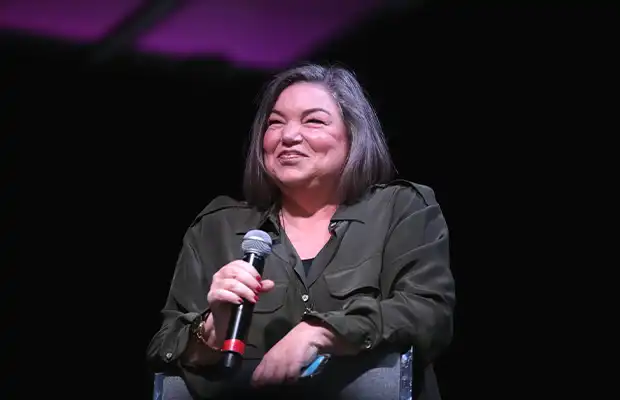
Actress Mindy Cohn has spoken openly about her breast cancer diagnosis and long-term remission, offering a reminder of the importance of ongoing care, monitoring, and whole-body wellness after treatment.
Regardless of what someone was diagnosed with, life after remission requires patients to pay close attention to their physical and emotional health.
Caring for your body after cancer remission
After cancer treatment ends, survivorship care becomes essential. Key priorities include:
Regular follow-up care
Routine checkups help detect any recurrence early and manage long-term side effects from treatment.
Healthy lifestyle habits
Balanced diets, regular exercise, and the right amount of sleep can support immune health and energy levels.
Mental and emotional health support
Anxiety, fear of recurrence, and emotional exhaustion are common. Therapy, support groups, or counseling can be helpful tools.
Managing long-term side effects
Tiredness, hormonal changes, and treatment-related effects may continue. Communicating with your doctor is important for symptom management.
Symptoms to monitor after cancer treatment
While every cancer type is different, general symptoms worth talking to your doctor about include:
- Unexplained tiredness that doesn’t improve with rest
- New or constant pain
- Unexplained weight loss or gain
- Changes in skin, lumps, or swelling
- Ongoing digestive changes
- Constant cough or breathing changes
- Unusual bleeding or discharge
For breast cancer specifically, awareness is key. Symptoms to monitor include:
- New lumps in the breast or underarm
- Changes in breast shape or size
- Skin dimpling or redness
- Nipple discharge or inversion
Treatment and follow-up options
If symptoms or concerns come up after remission, your doctor may recommend:
- Imaging tests like mammograms, ultrasounds, or MRIs
- Blood work to monitor overall health
- Referrals to oncology specialists
- Preventive medications in certain high-risk cases
- Lifestyle medicine support programs
Early detection and consistent follow-up remain some of the strongest tools in long-term care.
Cancer remission is not the end of the health journey, but the beginning of a new phase focused on monitoring, healing, and thriving. Stories like Mindy Cohn’s remind us that survivorship is possible, and ongoing care plays a vital role in long-term wellness.
Gage Skidmore from Peoria, AZ, United States of America, CC BY-SA 2.0, via Wikimedia Commons
.jpg)