
Mosquitoes Being Released in Florida: How Is That Helping Control Infectious Diseases?
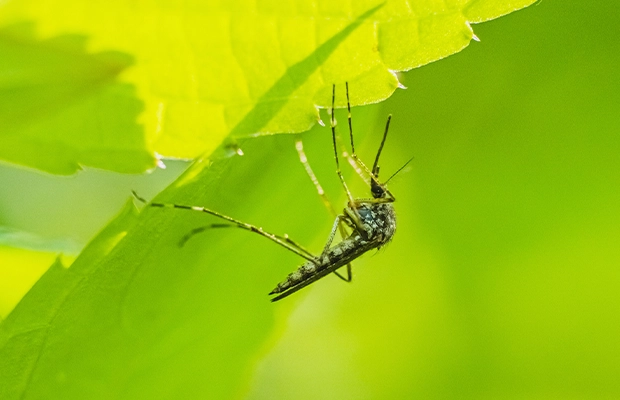
If you heard that mosquitoes are being released in Florida, you may be wondering why.
While it sounds unusual, scientists are using specially treated male mosquitoes to help reduce populations of mosquitoes that can spread disease.
Why Are Mosquitoes Being Released?
The mosquitoes being released are male mosquitoes treated with naturally occurring bacteria called Wolbachia, which acts like a control agent to prevent the spread of mosquito-borne illnesses. Male mosquitoes don’t bite people.
When these males mate with wild female mosquitoes, the eggs don’t hatch. Over time, this helps lower the number of mosquitoes in an area like Florida.
What’re the Mosquito-Borne Illnesses?
Mosquitos can transmit several viral diseases, including dengue, Zika, and chikungunya. While symptoms may vary, all three viruses may cause:
- Fever
- Rashes
- Headaches
- Joint or muscle pain
- Fatigue
- Nausea and vomiting
Dengue can also cause pain behind the eyes, and in severe cases, bleeding, shock, and organ damage, while Zika can cause red eyes, and during pregnancy, infection can lead to birth defects.
Although most people recover from dengue, Zika, and chikungunya, these mosquito-borne illnesses can cause significant health complications.
How Does Mosquitoes Being Released Help Prevent Disease?
Fewer disease-carrying mosquitoes means fewer opportunities for viruses to spread.
Scientists hope this method can help reduce the risk of mosquito-borne illnesses as part of larger mosquito control efforts.
According to Lilian Abbo, MD, chief of infection prevention and antimicrobial stewardship at Jackson Health System and professor of infectious diseases at the University of Miami and Associate Chief Medical Office, preventing mosquito-borne diseases is especially important in Florida.
“Climate change has created warmer and wetter conditions that help mosquitoes survive and reproduce,” Dr. Abbo said. “Higher temperatures can also speed up mosquito breeding cycles, allowing infectious mosquitos to remain active for longer periods throughout the year.”
Is It Safe?
According to the Centers for Disease Control and Prevention, Wolbachia bacteria are commonly found in many insects and don’t make people or animals sick.
Scientists continue to monitor these programs to ensure they’re working as intended.
“Ongoing scientific monitoring of Wolbachia has found no evidence of harm while showing promise in helping reduce mosquito-borne diseases,” Dr. Abbo said. “It’s a safe and effective way to help reduce the spread of infectious diseases, especially in Florida.”
How Can You Protect Yourself?
Even with mosquito control programs in place, experts recommend:
- Using insect repellent
- Removing standing water around your home
- Wearing long sleeves and pants when possible
- Checking window and door screens for holes
Looking Ahead
Mosquito control programs like these may help reduce the spread of infectious diseases in Florida. While the approach may seem surprising, the goal is simple: fewer mosquitoes that can spread disease and healthier communities.
If you or someone you know is experiencing symptoms of dengue, Zika, or chikungunya, infectious disease experts at Jackson can help. For more information, visit our website at jacksonhealth.org/InfectiousDiseases.