
New Ways to Reduce Risk of Peanut Allergies in Young Children
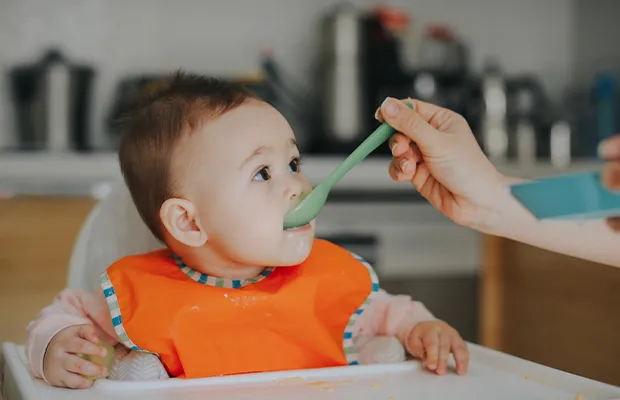
Peanut allergies are one of the most common, and potentially serious, food allergies in kids. For many years, parents were advised to delay giving their babies peanut products. But recent research suggests a different approach: introducing peanut-containing foods in infancy may reduce the child’s risk of developing a peanut allergy by as much as 80 percent.
Why This Shift Matters
- Peanut allergies often begin in early childhood and tend to continue for life.
- This condition affects not just eating habits, but daily life, reading ingredient labels, avoiding cross-contamination, carrying epinephrine, and navigating school or social situations.
- Preventing peanut allergies could spare kids and families years of anxiety and restriction.
What the Research Says
A number of clinical trials have supported the idea that early, controlled exposure can promote immune tolerance rather than triggering an allergic response.
In practical terms, infants who are introduced to peanut products between 4 and 6 months (with the right precautions) show a much lower rate of peanut allergy compared to those introduced later in childhood.
How Parents Can Safely Introduce Peanut Products
If your baby is ready for solid foods and your pediatrician gives the green light, here are some safe steps:
- Start small: Mix smooth peanut butter or peanut powder into purees or thin it with breast milk, formula, or water.
- Avoid whole peanuts or thick nut butters (these are choking hazards).
- Watch for reactions: Give a small amount initially and stay nearby to monitor for hives, swelling, vomiting, or breathing difficulty.
- Consistency matters: Regular exposure helps maintain tolerance.
Always consult with your child’s doctor before introducing foods prone to causing allergies.
“Fortunately, now at Jackson, we offer many treatment options for children diagnosed with peanut and other food allergies to help them tolerate accidental ingestions and sometimes even cure their allergy permanently,” said Dr. Melissa Gans,. “We currently offer sublingual and oral food immunotherapy, omalizumab treatments, and clinical trial opportunities to those children with food allergies.”
What to Do If You’re Unsure or Concerned
If you have questions, concerns, or if your child has risk factors like eczema or another food allergy, seeking specialized care can be wise. The UHealth Jackson Children’s Care pediatric allergy and immunology team provides comprehensive services for diagnosing and managing food allergies and immune-related conditions.
Request an appointment via their website by clicking here. You can also call 305-585-7334 to speak with a specialist.
Start early. Ask questions. Stay proactive. Protecting your child’s health starts with getting the right advice and care.

Melissa Gans, MD
Pediatric, Allergy & Immunology
Alex’s Place Sylvester Comprehensive Cancer Center
1121 NW 14th St. Suite 130, Miami, Florida 33136
UHealth Batchelor Children’s Research Institute
1580 NW 10th Ave. 2nd Floor, Miami, Florida 33136
UHealth Jackson Children’s Care at Jackson West
2801 NW 79th St. Suite 401, Doral, Florida 33122