
Pam Bondi’s Thyroid Cancer Diagnosis: Understanding the Signs, Symptoms, and Next Steps

Recent news surrounding Pam Bondi’s thyroid cancer diagnosis has brought attention to a disease many people know little about. While thyroid cancer is often highly treatable when detected early, it can develop quietly with unnoticeable symptoms in its initial stages. Because of this, recognizing subtle changes in the body and seeking timely medical evaluation is essential.
What’s the Thyroid?
The thyroid is a small, butterfly-shaped gland in the front of the neck. It plays a major role in regulating many of the body’s essential functions by producing hormones that help control:
- Metabolism
- Heart rate
- Body temperature
- Energy levels
- Growth and development
What’s Thyroid Cancer?
When cancer develops, abnormal cells begin to grow uncontrollably within the thyroid gland.
It’s one of the more commonly diagnosed endocrine cancers in the United States, due to advances in imaging technology that allow doctors to detect small nodules earlier.
Most thyroid cancers are highly treatable, especially when identified early, which makes awareness of symptoms and quick evaluations by a medical provider crucial.
Common Symptoms of Thyroid Cancer
In many cases, thyroid cancer causes no symptoms in its early stages and may be discovered incidentally during routine exams or imaging.
As the disease progresses, symptoms may include:
- A lump or swelling in the front of the neck.
- Enlarged lymph nodes in the neck.
- Hoarseness or voice changes
- Difficulty swallowing
- Difficulty breathing
- Persistent neck or throat pain
- A cough not related to illness.
These symptoms don’t automatically mean cancer is present, but they should always be evaluated if they persist or worsen. Delaying medical evaluations can cause potentially serious conditions to go undiagnosed.
Who’s at Risk?
While anyone can develop thyroid cancer, certain factors may increase risk, including:
- Family history of thyroid cancer
- Inherited genetic syndromes.
- Previous radiation exposure to the head or neck
- Specific genetic mutations
- Being female
- Older age
Having risk factors doesn’t mean a person will develop thyroid cancer, but it does make routine medical care and symptom awareness more important.
How Is Thyroid Cancer Diagnosed?
If thyroid cancer is suspected, healthcare providers may use several diagnostic tools, including:
- Physical examination
- Blood tests
- Thyroid ultrasound
- Imaging studies
- Fine needle biopsy of a thyroid nodule
A biopsy is often the most definitive step when diagnosing thyroid cancer, as it allows doctors to examine thyroid cells under a microscope and confirm whether cancer is present.
What Happens After a Diagnosis?
A thyroid cancer diagnosis can feel overwhelming, but treatment outcomes are often positive and effective. Treatment depends on the type, size, and stage of cancer and may include:
- Surgery to remove part or all of the thyroid.
- Radioactive iodine therapy, a treatment that uses a radioactive form of iodine to safely destroy thyroid tissue.
- Thyroid hormone therapy
- Targeted therapies in select cases
- Ongoing monitoring and follow-up care
For many patients, surgery is the primary treatment and is highly effective, especially when the cancer is caught early.
Life After Treatment
After thyroid cancer treatment, many people go on to live long, healthy lives. go Depending on the type of treatment, ongoing care may include:
- Regular follow-up visits
- Blood tests
- Imaging studies
- Daily thyroid hormone replacement therapy
Consistent monitoring is essential to detect any recurrence of thyroid cancer early and ensure hormone levels remain balanced.
Staying Informed, Staying Healthy
Pam Bondi’s diagnosis highlights that thyroid cancer can affect anyone and may not always produce clear warning signs. Fortunately, advances in screening, diagnosis, and treatment have made it one of the most manageable cancers when identified early.
Understanding the symptoms, recognizing risk factors, and seeking prompt medical care when something feels unusual are key steps in protecting your health. Routine wellness visits are also important even without symptoms.
If you’re looking to make an appointment with one of Jackson Medical Group’s primary care physicians or endocrinologists, visit our website at https://medicalgroup.jacksonhealth.org/.
Image: Gage Skidmore from Surprise, AZ, United States of America, CC BY-SA 2.0, via Wikimedia Commons
.jpg)
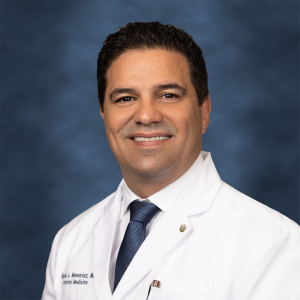
Miguel Menendez, MD
Internal Medicine
Jackson Medical Group
Jackson Medical Group – Jackson West
2801 N.W. 79th Ave. Suite 402, Miami, FL 33122