
Porsha Williams’ Story Brings Attention to Uterine Fibroids
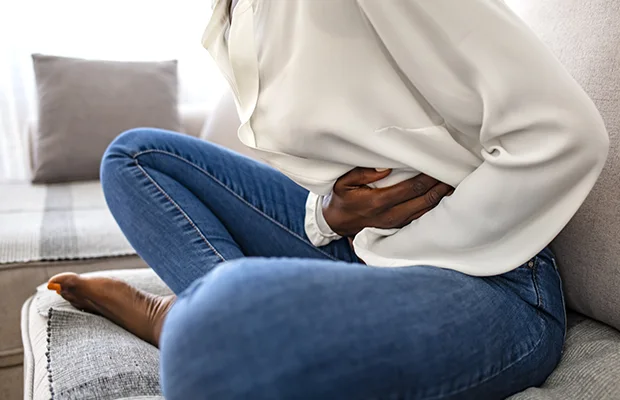
- Reality TV star Porsha Williams reveals emergency hysterectomy after doctors found 21 fibroids.
- Her story shines a light on common, often overlooked fibroid symptoms.
- Learn the signs of fibroids, when to see a doctor, and treatment options.
When reality television star Porsha Williams shared her health story, it started a bigger conversation about uterine fibroids.
Williams recently told CBS News that she underwent an emergency partial hysterectomy after doctors discovered 21 uterine fibroids.
Her experience is a reminder that fibroids look different for every woman.
So, what are fibroids? What symptoms should you watch for? And when should you talk with a doctor?
What Are Uterine Fibroids?
Uterine fibroids are growths that develop in or around the uterus. They’re usually not cancerous, and are common during childbearing years.
Some women have fibroids and never experience symptoms, while others see an impact on their daily lives.
Common symptoms include:
- Heavy or long periods
- Pelvic pain or pressure
- Pain during sex
- Frequent urination
- A feeling of fullness or swelling in the abdomen
- Problems with fertility or pregnancy
How Are Fibroids Diagnosed?
If your doctor thinks you have fibroids, a pelvic exam may be part of the evaluation. You could also need imaging, such as an ultrasound, to look at the size and location of the fibroids.
If you’re having heavy bleeding, pelvic pressure, pain, or changes in your menstrual cycle, let your doctor know. These symptoms can have different causes and help identify if fibroids are the problem.
Do Pap Tests Detect Fibroids?
A Pap test doesn’t detect uterine fibroids. They’re used to screen for cervical cancer. Fibroids are evaluated separately, often with a pelvic exam and imaging.
Cervical cancer screening is still an important part of women’s health. Current guidelines recommend different screening options based on your age and health history.
Even if your cervical cancer screening is normal, you should still tell your doctor about new or ongoing symptoms, such as heavy bleeding, pelvic pain, or pressure.
Black Women Are More Likely to Develop Fibroids
Research shows that Black women are more likely to develop fibroids, often at a younger age. They may also have more severe symptoms and a greater overall burden from the condition.
Researchers are still studying why these differences exist, but genetics, environment, and other factors may play a role.
For Black women, knowing the signs of fibroids can be especially important.
How Are Fibroids Treated?
Not every woman with fibroids needs treatment. If you’re not experiencing symptoms or having other problems, your doctor may recommend monitoring them. If symptoms are affecting your daily life, several treatment options may be available.
The right treatment depends on the size and location of the fibroids, the symptoms they cause, your overall health, and whether you want to become pregnant in the future.
Treatment options include:
- Medication: Some medicines can help control pain or heavy bleeding. Others may temporarily reduce fibroid size.
- Myomectomy: This surgery removes the fibroids while keeping the uterus in place.
- Uterine fibroid embolization: This minimally invasive procedure reduces blood flow to the fibroids, which can cause them to shrink.
- Hysterectomy: This surgery removes the uterus. It’s the only treatment that completely eliminates fibroids. After a hysterectomy, a woman can no longer become pregnant.
Don’t Ignore Changes in Your Body
Williams’ story is a reminder to pay attention to changes in your body.
A change in your menstrual cycle doesn’t always mean something is wrong. If it’s new, lasts for several months, or starts affecting your daily life, it’s worth talking to a healthcare professional.
You know your body best.
If you have heavy periods, pelvic pain or pressure, changes in your menstrual cycle, or concerns about your reproductive health, make an appointment with your doctor. You don’t have to wait until your symptoms become severe to ask questions.
Learn More About Fibroids
Jackson Health System has additional resources to help women learn more about uterine fibroids. Jackson OB-GYN, Dr. Dianne O’Neal, has also shared information about fibroids, including treatment options.
Watch Dr. O’Neal’s conversation about uterine fibroids on Jackson’s Instagram.
This article is for educational purposes and is not a substitute for medical advice. Talk with your health care provider about your symptoms, screening needs, and treatment options.
Reviewed by Dr. Mercedes R. Garcia, MD MS FACOG
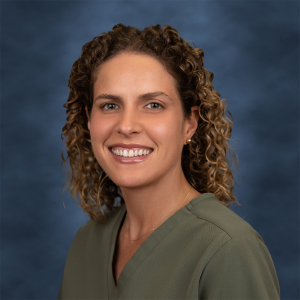
Mercedes Garcia, MD
Obstetrics & Gynecology
Jackson Medical Group
North Dade Health Center
16555 N.W. 25th Ave. Miami Gardens, Florida 33054
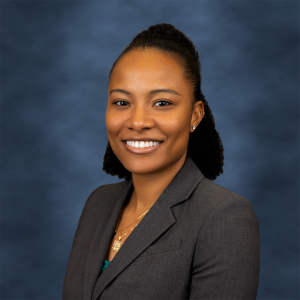
Dianne O’Neal, MD
Obstetrics & Gynecology
Jackson Medical Group
Dr. Rafael A. Peñalver Clinic
971 N.W. 2nd St. Second Floor, Miami, Florida 33128