
Postpartum Depression: Recognizing the Signs and Knowing When to Seek Help
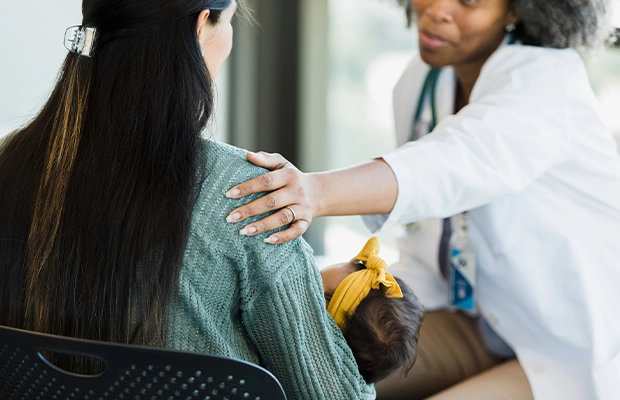
- Postpartum depression can cause persistent sadness, anxiety, irritability, guilt, sleep changes, withdrawal, and difficulty managing daily activities.
- Loved ones can help by recognizing behavioral changes, listening without judgment, offering practical support, and encouraging professional care.
- Immediate emergency help is needed when someone has thoughts of harming themselves or their baby, severe confusion, hallucinations, or loses touch with reality.
Becoming a parent can bring joy, excitement, exhaustion, and a wide range of emotions. It can also bring challenges that are difficult to talk about.
Recent conversations involving Hayden Panettiere and Lindsey Clancy have brought attention to postpartum mental health. While every person’s experience is different, these discussions highlight an important message: postpartum depression is a serious medical condition, and no new parent should feel ashamed about asking for help.
Recognizing the signs early can help parents and their loved ones connect with support and treatment.
What’s Postpartum Depression?
Postpartum depression is a type of depression that can develop during pregnancy or after childbirth. It can affect a parent’s mood, thoughts, behavior, relationships, and ability to manage everyday activities.
The “baby blues” are common and may include crying, mood changes, anxiety, or feeling overwhelmed. These feelings typically improve within about two weeks.
Postpartum depression can last longer and may become more severe without treatment.
Remember:
- It can happen even when someone deeply loves their baby.
- It can affect first-time parents and those who have had children before.
- It can occur regardless of age, income, relationship status, or family support.
- It’s treatable, and asking for help is important.
What Are the Warning Signs?
Postpartum depression doesn’t look the same for everyone. Some people recognize that something feels wrong, while others may not realize how much they’re struggling.
Warning signs may include:
- Sadness, emptiness, or hopelessness that doesn’t go away
- Frequent crying
- Severe anxiety or constant worry
- Feeling overwhelmed or unable to cope
- Loss of interest in activities once enjoyed
- Unusual anger, frustration, or irritability
- Difficulty sleeping, even when the baby is sleeping
- Changes in appetite
- Difficulty concentrating or making decisions
- Feeling disconnected from the baby
- Feelings of guilt, shame, or worthlessness
- Feeling like a bad parent
- Withdrawing from family and friends
One symptom doesn’t mean someone has postpartum depression. However, ongoing changes in mood or behavior deserve attention.
How Can Loved Ones Help?
Sometimes the person experiencing postpartum depression is the last person to recognize what’s happening. Family members and friends can play an important role.
Pay attention to changes such as:
- Becoming unusually withdrawn
- Frequently expressing hopelessness or guilt
- Significant changes in sleep or eating
- Increased anxiety or irritability
- Difficulty completing everyday tasks
- Saying they feel like a burden
Start a conversation without judgment. Try saying, “I’ve noticed you’ve been having a difficult time. I’m here for you, and we can find help together.”
Practical support can also help:
- Prepare a meal
- Help with household responsibilities
- Offer to watch the baby while the parent rests
- Encourage healthcare appointments
- Check in regularly
- Help connect them with a healthcare professional
When Should Someone Seek Help?
A new parent doesn’t need to wait until symptoms become severe before seeking help.
Talk with a primary care doctor, obstetrician, midwife, pediatrician, or mental health professional if:
- Symptoms last longer than two weeks
- Feelings are becoming stronger or more frequent
- Anxiety or sadness interferes with daily life
- Caring for the baby feels overwhelming
- You feel disconnected from yourself or your family
- You’re struggling to function at home or work
Treatment may include counseling, medication, support groups, lifestyle changes, or a combination of approaches.
Know the Signs of a Mental Health Emergency
Some postpartum symptoms require immediate attention.
If someone has thoughts of harming themselves or their baby, feels unable to stay safe, becomes severely confused, loses touch with reality, or experiences hallucinations, seek emergency medical help immediately and don’t leave the person alone.
Postpartum psychosis is rare but serious, and requires urgent treatment.
You Don’t Have to Face This Alone
Postpartum depression is a health condition that deserves compassion, understanding, and medical care.
If you or someone you love is struggling, start the conversation. Talk with a healthcare professional.
Ask for support. Keep checking in.
Recognizing postpartum depression early can be the first step toward recovery. No parent should have to face it alone.