
Publix Blueberry Recall: Berry Important Facts About E. Coli and Cyclosporiasis
Publix is a staple in our community. From their subs to chicken tenders, their popularity has only grown over the years.
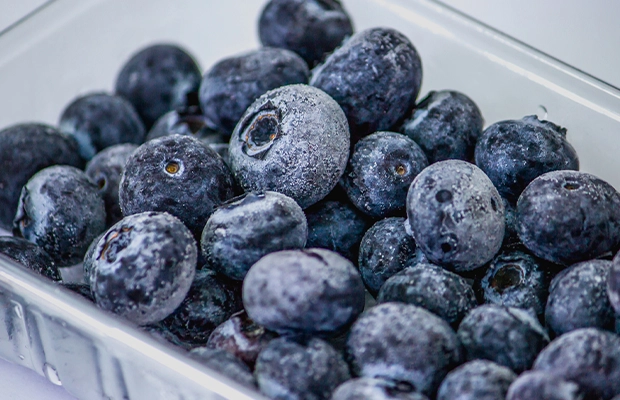
Unfortunately, the supermarket chain had a setback recently after recalling its GreenWise frozen blueberries due to a possible contamination with E.coli. With food recalls on the rise and a severe stomach virus going around, how do you keep track?
Is it E.coli or is it cyclosporiasis?
What’s E. coli?
E. coli is a group of bacteria that naturally lives in the intestines of humans and animals. Most strains are harmless and even help support healthy digestion, but certain strains can cause severe illness.
People most commonly become infected with E. coli by eating or drinking contaminated food. The bacteria can also spread through contact with infected animals, contaminated surfaces, or from person to person if people don’t wash their hands properly.
Even foods that appear fresh and healthy can become contaminated if they come into contact with harmful bacteria. And it’s not just blueberries; other produce, such as leafy greens, fresh fruits, and ground beef, can become contaminated with E. coli.
Infection symptoms usually appear three to four days after exposure. They include:
- Severe stomach cramps
- Diarrhea, which may become bloody
- Nausea
- Vomiting
- Possible low-grade fever
It’s important to stay up to date on recalls and discard any recalled products immediately.
What’s Cyclosporiasis?
Cyclosporiasis is a parasite that causes intestinal illnesses. It can be spread through contaminated food or water. The infection has similar symptoms as E. coli, but signs usually appear about one week after exposure:
- Frequent, watery diarrhea
- Loss of appetite
- Weight loss
- Stomach cramps or bloating
- Nausea
- Fatigue
- Low-grade fever
Many infections resolve on their own, but if you have any dizziness, a fever higher than 102 degrees Fahrenheit, and symptoms lasting more than three days, call your doctor right away.
For the time being, experts are recommending that you stay away from or wash your produce well to reduce the risk of cyclosporiasis. Herbs, berries, and leafy greens are all part of that list.
If you suspect you’re suffering from cyclosporiasis or an E. coli infection, visit your nearest UHealth Jackson Urgent Care center.