
Raising Smart Digital Kids: How Critical Thinking Keeps Children Safe Online
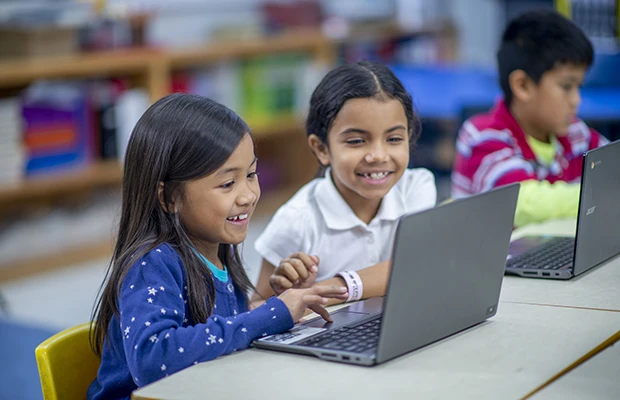
Today’s children are growing up in a world filled with screens, social media, and constant information that is just one click or search away. While the internet offers learning, creativity, and connection, it also brings risks that aren’t always easy to spot. The key to helping kids navigate this world safely is greater than just limiting screen time and parental monitoring. Teaching kids about social media, artificial intelligence, and critical thinking is crucial. Critical thinking gives kids and teens the ability to question, understand, and make informed decisions about what they see and experience online.
Why Critical Thinking Matters
Children are exposed to:
- Social media algorithms that shape what they see
- Online trends that may not always be safe or accurate
- Unrealistic expectations portrayed through influencers
- Artificial intelligence tools that can create realistic, but misleading content
- Messages and content designed to influence emotions and behavior
Without the ability to evaluate information, children may accept what they see as truth. Critical thinking helps them pause, question, and decide what’s real, safe, and appropriate.
What Critical Thinking Really Means for Kids
Critical thinking is more than just being smart. It’s a practical life skill and helps them:
- Ask questions before believing something.
- Recognize when something feels misleading or unsafe.
- Understand how online platforms influence what they see.
- Make thoughtful decisions instead of reacting quickly.
When kids develop these skills, they feel more confident and less overwhelmed by the digital world.
How Critical Thinking Helps Keep Kids Safe Online
Teaching critical thinking can protect children from many common online risks. It helps them:
- Spot fake or misleading information.
- Avoid scams, harmful links, or unsafe interactions.
- Recognize online bullying or manipulative behavior.
- Understand that not everything online reflects real life.
- Know when to tell a trusted adult or report unsafe content.
- Realize when taking a social media break is needed.
It also helps children stay in control. Instead of feeling pressured or influenced, they learn to think independently and make safer choices.
Building These Skills at Home
Parents and caregivers play a key role in helping children develop critical thinking. Simple, everyday strategies include:
- Asking open-ended questions like, “What do you think about that?” or “What did that video bring up for you?”
- Exploring information together instead of giving quick answers or correcting misinformation.
- Encouraging kids to explain their thinking and rationale.
- Talking about how social media and apps work.
- Showing that it’s okay to change opinions when new facts or information appear.
- Encouraging engagement in non-online activities like, puzzles, board games, time outdoors, and physical activity.
This approach builds trust and keeps communication open, making it easier for children to ask for help when needed.
Why It Matters for the Future
Critical thinking isn’t just about online safety. It’s a skill that prepares children for life. As technology continues to grow, the ability to think clearly, solve problems, and adapt will become even more important. While technology can provide information, it can’t replace human judgment, creativity, and decision making. Children who learn to think critically today are better prepared to handle future challenges, both on and offline.