
Resetting More than Just the Clock – How Can Daylight Saving Time Coming to an End Affect You?
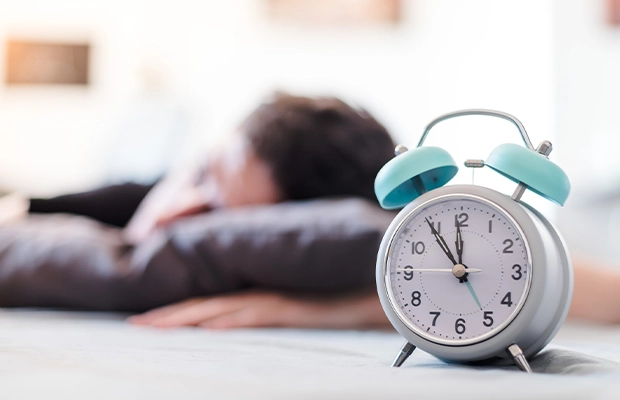
Ever wonder how adjusting your clock by just one hour can affect your internal rhythm?
Daylight saving time ends on Sunday, November 2, 2025. As the clocks fall back, evenings will get darker earlier, and mornings will stay darker longer. While our phones and computers adjust instantly, our bodies don’t adapt quite as fast.
Our circadian rhythm, known as our internal clock, thrives on routine. It’s guided by light exposure, helps regulate the release of the sleep hormone melatonin, and influences many of our daily patterns. That’s why you might notice tiredness, mood changes, or irritability as your body adjusts.
It’s especially important to get enough sleep during this time. When we’re sleep-deprived, we can feel off in more ways than one. And while gaining an extra hour might sound appealing, it’s the habits we form around this transition that determine how smoothly our bodies adapt. Without those habits, disruptions to your rhythm can leave you feeling out of sync.
To make the transition smoother, try preparing a few days early:
- Gradually adjust your bedtime by 15 to 20 minutes each night.
- Get morning sunlight to help reset your circadian rhythm.
- Avoid screens or caffeine close to bedtime.
The time change may affect us all, but how it affects each person can be different.
If you struggle with insomnia or seasonal affective disorder (SAD), it’s a good idea to talk with your doctor about strategies that can help you prepare and feel your best this upcoming fall and winter season.