
Rising Heat: How to Stay Safe During the Hottest Days of the Year
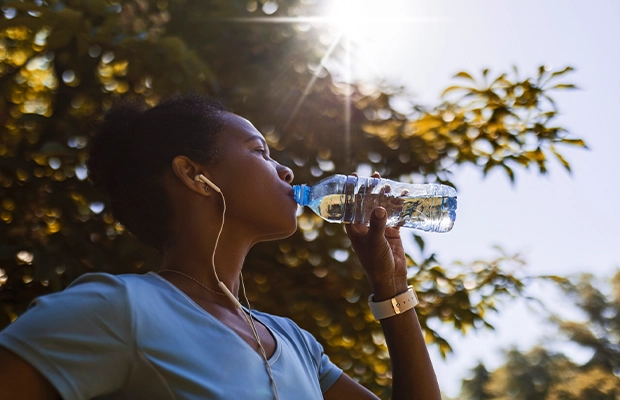
Last week summer solstice marked the longest day of the year, signaled the start of the hottest season. Prepare for the risks that come spending more time with extreme heat.
Why Excessive Heat Is Dangerous
Excessive heat can lead to heat exhaustion and heat stroke, both of which can be life-threatening if vulnerable populations, including young children, the elderly, and those with preexisting health conditions, are at a higher risk of developing these illness if exposed to high temperatures for long periods of time.
As record- breaking heat becomes more common across the U.S. heat safety is more important than ever.
How to Protect Yourself from Excessive Heat
1. Stay hydrated
- Drink water frequently, even if you’re not thirsty.
- Avoid caffeine and alcohol, which can dehydrate you.
2. Limit sun exposure
- Stay indoors during peak sun hours, typically between 10 a.m. and 4 p.m.
- If you have to be outside, take frequent breaks in the shade.
3. Dress Appropriately
- Wear loose-fitting, lightweight, light-colored clothing.
- Use a wide-brimmed hat and sunglasses to protect from UV rays.
4. Use sunscreen
- Apply broad-spectrum sunscreen (SPF 30 or higher) at least 15 minutes before going outside.
- Reapply every two hours, or more often if swimming or sweating.
5. Cool your environment
- Use fans or air conditioning.
- Keep blinds or curtains closed during the day to block heat.
- Spend time in air-conditioned public spaces like libraries or shopping malls if you don’t have AC at home.
6. Check on others
- Keep an eye on elderly neighbors, children, and pets.
- Never leave anyone in a parked car, even for a few minutes.
7. Know the signs of heat- related illness
- Heat exhaustion: Heavy sweating, dizziness, nausea, weakness.
- Heat stroke: Confusion, high body temperature, no sweating.
Heat Stroke and heat exhaustion are medical emergencies. Go to your nearest emergency room or urgent care center if you or someone around you is experiencing symptoms.